Many car dealerships face the same fixed ops problems. Techs search for updates, schedules get messy, and key notes go missing. Visual management brings order by putting live metrics where teams can see them.
Digital Dealership System provides real-time KPI dashboards and automated digital signage made for auto retailers. KPI means key performance indicators, the numbers that show progress. Clear boards guide the lane, cut delays, and improve communication. This article explains how visual management lifts efficiency, tightens scheduling, and supports stronger revenue, customer retention, and productivity.
Key Takeaways
- Real-time KPI dashboards and automated digital signage show current metrics in plain view, so managers decide faster and teams work smarter.
- Visual tools track repair times, parts status, and inventory updates, which improves scheduling accuracy and customer satisfaction in fixed ops.
- Leaderboards on large screens display team rankings each day, building accountability, friendly competition, and transparency.
- Custom setups scale from one screen to a full store, so any dealership can match solutions to its workflow and budget.
- Frequent content updates keep employees and customers informed about promotions, safety notes, inventory alerts, and daily service goals.
What Is Visual Management in Car Dealership Fixed Ops?
Visual management in fixed ops uses real-time KPI dashboards and digital signage to share key data at a glance. Fixed ops covers service, parts, and body shop. With clear screens in the right spots, staff sees what matters without hunting through emails or sticky notes.
Digital Dealership System builds easy-to-read displays that show operational efficiency data, sales and service leaderboards, and live inventory updates. Fast, visible metrics help managers act sooner and keep teams aligned. Think of it like a scoreboard for the shop floor.
Solutions range from a single lobby screen to a full site setup, all installed by the Digital Dealership System team. Strong visual communication keeps everyone focused on service goals and sales opportunities. When information is clear and current, the store moves faster.
How Does Visual Management Improve Fixed Ops Efficiency?
Real-time KPI dashboards give managers and staff instant access to performance data. Issues stand out fast, and small fixes happen before they become big ones. That steady flow improves operations, customer communication, and CSI scores.
Automated digital signage syncs the shop with live goals, daily targets, and alerts. Leaderboards and dashboards increase accountability, since results are visible to the whole team. With fewer missed messages, collaboration gets easier and trust grows.
Because these tools are flexible, dealerships can highlight local needs while tracking key items like repair hours and delivery times. Better visibility means faster responses to customers and fewer surprises in the lane.
Visual Management Tools for Fixed Ops Efficiency
Clear tools make the service drive smoother and more predictable. The right mix helps teams hit goals for efficiency, revenue, and customer retention.
What Visual Management Tools Are Best for Fixed Ops?
Digital screens and data dashboards help fixed ops run with less friction. Whether independent or group-owned, stores can gain speed and clarity with these tools.
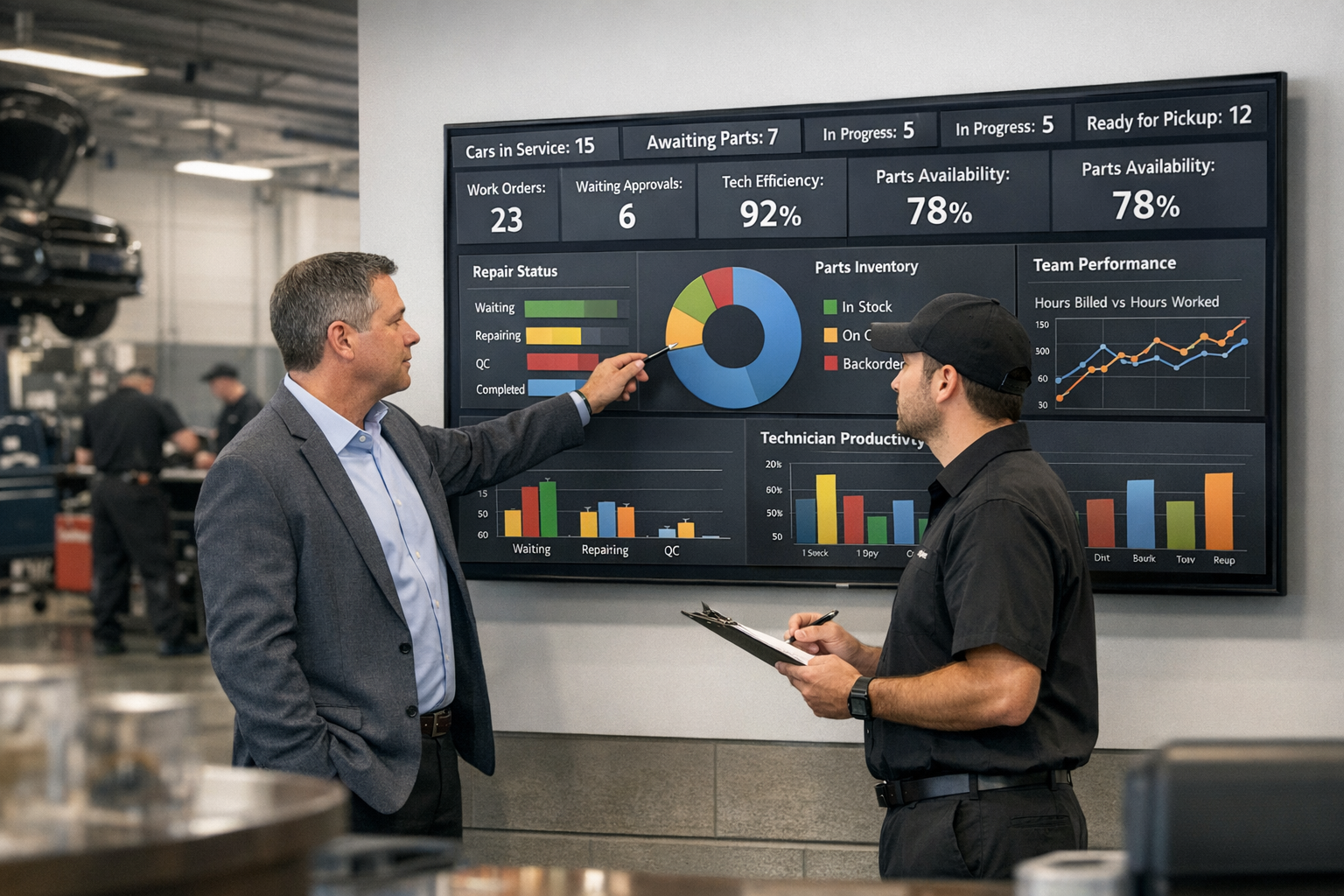
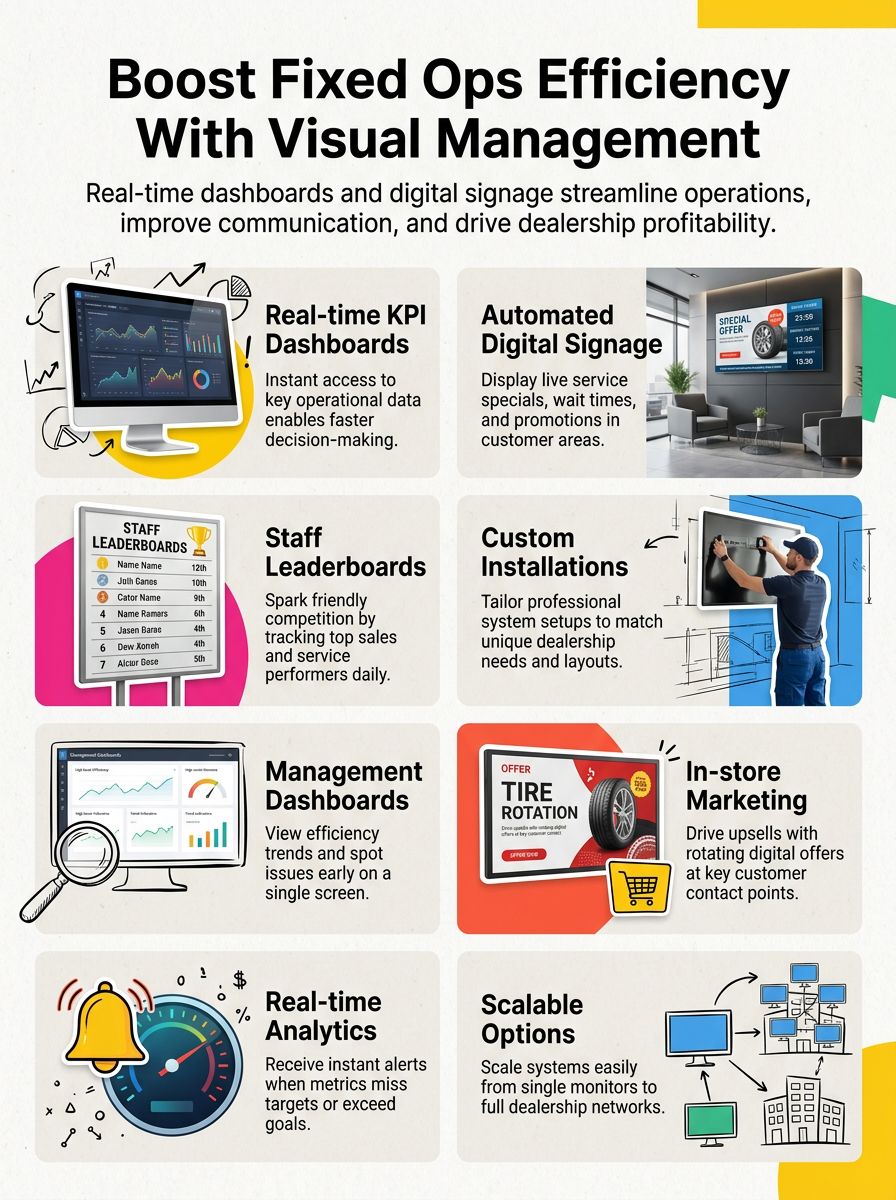
- Real-time KPI Dashboards: Digital Dealership System provides live metrics across service, parts, sales, and BDC. Large displays turn data into quick action.
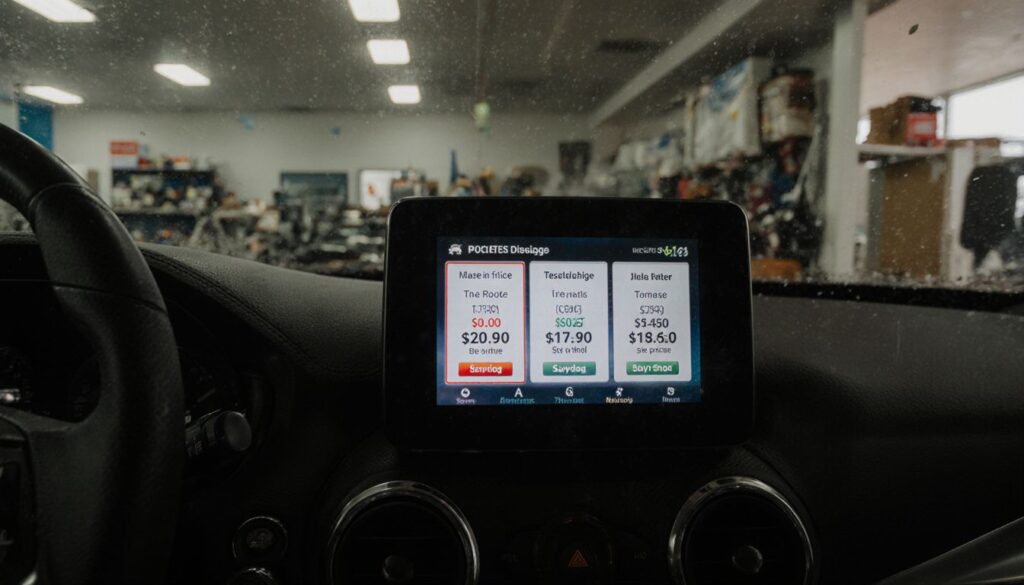
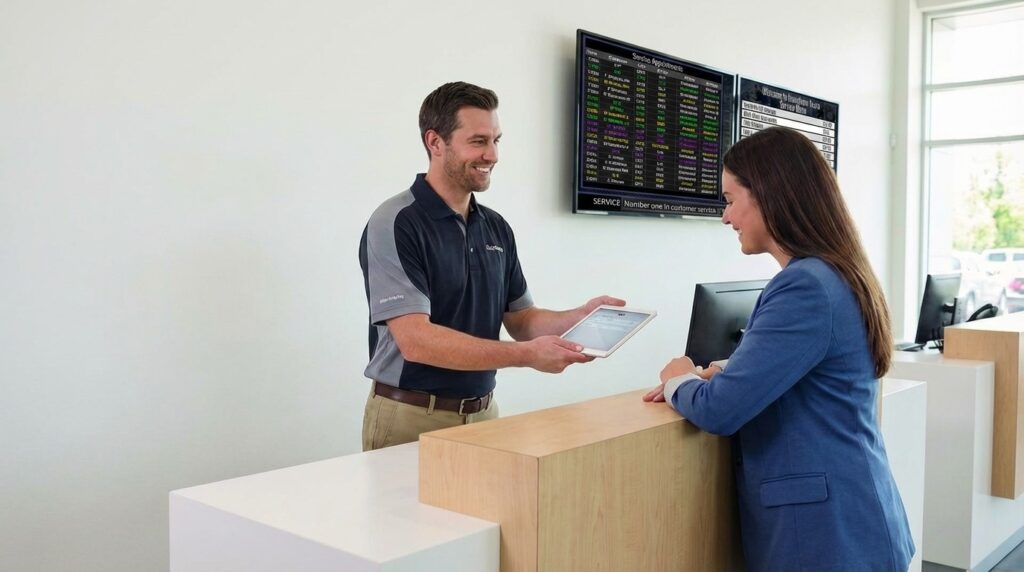
- Automated Digital Signage: Show service specials, wait times, and promos in customer areas. Clear visuals support upsells and better experiences.
- Leadership Leaderboards: Track top performance in sales and service with daily rankings. Friendly competition lifts results for advisors, techs, and managers.
- Custom Installations: The team designs systems that match each store’s layout and goals, from a single screen to a whole-facility rollout.
- Management Dashboards: View core trends on one screen. Spot slowdowns early, then adjust staffing or parts to keep work flowing.
- In-store Marketing Solutions: Rotate current offers and new arrivals to catch attention at the desk and in the lounge.
- Realtime Analytics Tools: Get minute-by-minute insight on shop flow and customer engagement. Receive alerts when KPIs miss target or exceed plan.
- Flexible Options for Any Budget: Start small or go wide. Scale from one monitor to a full network without redoing the system.
For more details or a plan built around your store’s goals, contact Digital Dealership System. Their team can help turn your fixed ops floor into a steady, high-output operation.
How Do You Implement Visual Management Tools Effectively?
A clear rollout speeds up adoption and results. These steps help leaders build momentum and keep teams engaged.
- Set up real-time KPI dashboards to track service progress, sales targets, and daily operations across departments for quick decisions.
- Install digital signage in customer and team areas. Share promotions, wait times, and updates on bright, easy-to-read screens.
- Use leaderboards to display performance daily. This builds accountability and sparks healthy competition.
- Create display designs that reflect your brand, voice, and service goals, so screens feel like part of the store.
- Scale from one screen to multi-screen systems as you grow. Choose options that fit current needs and future plans.
- Refresh content often. Post marketing offers, inventory alerts, service specials, and safety notes to keep attention high.
- Choose professional installation for a clean setup and dependable uptime from day one.
- Train teams early. Short sessions that show how to read and use the boards improve buy-in fast.
- Review efficiency gains on a set schedule. Compare dashboard metrics before and after each change.
- Select a vendor that supports real-time updates and steady improvements. This keeps your store competitive as goals evolve.
Want to see how it works in action? Ask for a quick demo and explore the best fit for your operation.
Conclusion
Visual management in car dealership fixed ops does more than tidy up screens. It brings clear communication and live data to the people doing the work. Digital Dealership System delivers real-time KPI dashboards and automated signage that keep vital metrics in plain sight.
This approach improves efficiency, strengthens scheduling, and supports revenue, profitability, and customer retention. Customers get faster answers. Managers catch bottlenecks early. Day after day, the shop runs smoother. Ready to move from guesswork to clear signals? Reach out and start building a high-visibility fixed ops strategy today.
FAQs
1. What is visual management in car dealership fixed operations, and how does it boost efficiency?
Visual management uses clear displays, color-coded charts, and real-time dashboards to track service progress in your auto shop. These tools help teams spot delays fast, keep technicians on schedule, and improve communication between departments. The result? Faster repairs, fewer mistakes, and higher customer satisfaction.
2. How can visual management systems reduce downtime for my service department?
With instant updates on repair status and parts availability shown right where your team works, everyone stays informed without extra meetings or paperwork. This means less waiting around for approvals or missing information; jobs move forward smoothly from check-in to delivery.
3. Are there specific benefits for managers using visual management tools in fixed ops?
Managers gain a bird’s-eye view of daily workflow with easy-to-read boards that highlight bottlenecks or overdue tasks at a glance. You can make quick decisions based on accurate data—no more guessing about technician workload or inventory levels—which leads to better resource use and increased revenue.
4. Why should I trust a professional provider for implementing these solutions at my dealership?
Certified providers bring proven expertise in automotive workflows along with reliable software tailored for dealerships like yours. They offer training so your staff gets up to speed quickly while ensuring the system fits seamlessly into existing processes; this reduces risk during rollout and maximizes return on investment from day one… Ready to see what streamlined operations look like? Call us today or visit our website to learn more!