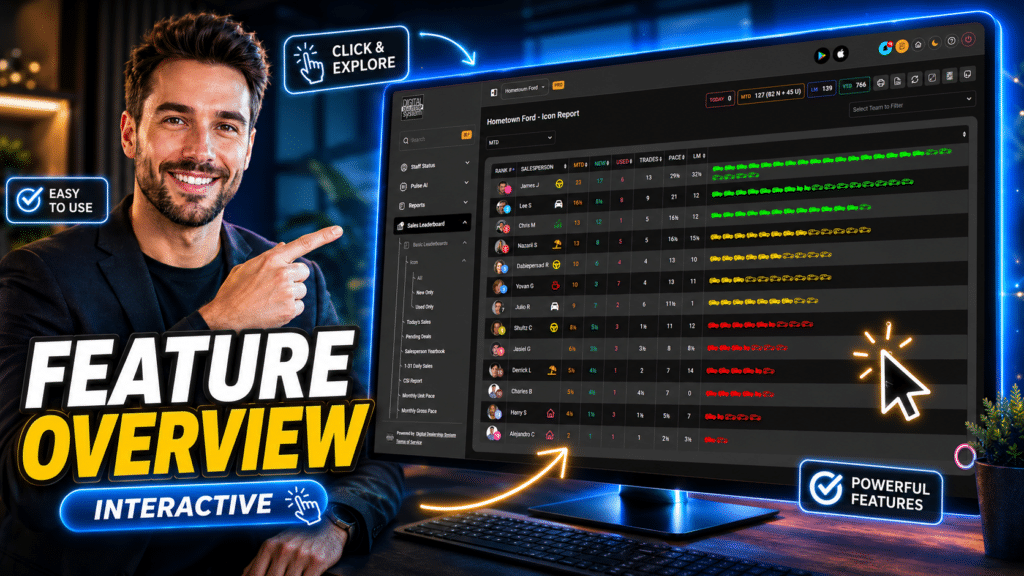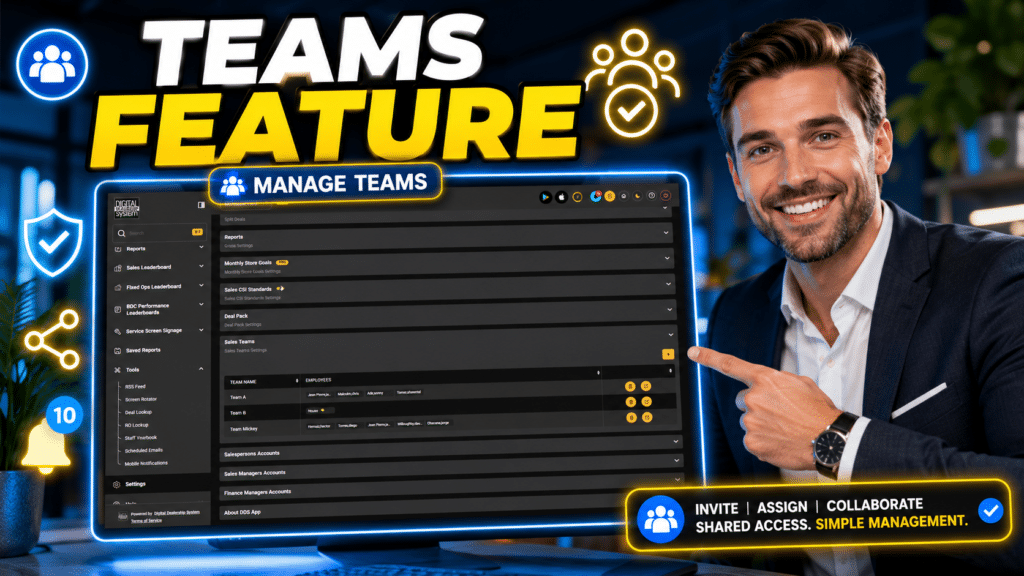

You don’t get motivated by yesterday’s numbers because static reports react to past performance, lack urgency, and miss micro-opportunities you could act on now. Live leaderboards drive up to 30% better outcomes by showing real-time rankings and KPI progress, creating immediate accountability, competition, and faster feedback loops for targeted coaching. Clear metrics and frequent updates sustain momentum and collaboration, while audited feeds keep trust. Keep going and you’ll see how to set metrics, cadence, and avoid common pitfalls.
Key Takeaways
- Static sales reports are retrospective, showing past performance instead of driving immediate action.
- Delayed data reduces urgency, so reps lack incentive to change same-day behavior.
- Aggregated reports hide micro-opportunities and individual contributions that spark competition.
- Lack of public, real-time rankings removes instant recognition and accountability that fuels motivation.
- Complex or unclear metrics in reports undermine trust and fail to guide focused, repeatable behaviors.
Quick Takeaway: Do Live Leaderboards Boost Dealership Sales?

How much of a difference do live leaderboards actually make? You’ll see measurable gains: studies report up to 30% performance improvement when gamification like live leaderboards replaces static reporting. For dealership teams, this translates into clearer sales motivation and tighter performance tracking—real-time standings create urgency and accountability that traditional reports don’t. Implement a simple cycle: display live metrics, let reps adjust tactics, then measure short-interval outcomes. Immediate feedback shortens the lead-to-correct loop, so underperforming behaviors are corrected faster and wins are reinforced. Visibility also boosts collaboration as team members share tactics to climb rankings. If you want data-driven, process-oriented results, live leaderboards provide actionable inputs and faster, demonstrable uplift in dealership sales performance.
Why Static Sales Reports Don’t Drive Daily Action
Because static sales reports are compiled after the fact, they rarely reflect the real-time dynamics that drive daily decisions on the showroom floor; you end up reacting to yesterday’s performance instead of correcting or capitalizing on today’s opportunities. Static reports deliver lagging performance metrics that blur cause and effect, reducing sales engagement and slowing corrective actions. You miss micro-opportunities—shift in demand, a competitor’s move, or a top performer’s tactic—that require immediate response.
- Delayed data: metrics arrive too late to influence same-day processes or coaching.
- Low urgency: infrequent updates dampen competition and diminish sales engagement.
- Fewer course corrections: lack of instant feedback prevents quick tactical shifts that improve outcomes.
Live Leaderboards vs. Static Reports: A Side-by-Side Comparison

While static reports give you a tidy historical record, live leaderboards deliver up-to-the-minute performance data that drive immediate actions, sharper coaching, and measurable boosts in engagement and sales. You’ll see leaderboard dynamics produce instant competition: rankings update in real time so reps react, iterate, and close gaps faster than waiting for end-of-day reports. Contrast that with report effectiveness of static documents, which document trends but often arrive too late to change behavior. Process-wise, leaderboards streamline feedback loops, enable targeted coaching moments, and promote collective momentum through visible wins. The result is quantifiable: organizations using live displays report higher engagement and improved sales conversion rates versus those relying solely on static reporting, proving real-time visibility yields better operational outcomes.
Behavioral Science for Dealership Sales Teams: Visibility, Recognition, Accountability
When teams can see performance in real time, you get measurable shifts in behavior: visibility through live leaderboards increases competition and motivation, recognition of top performers raises morale and boosts productivity, and clear public rankings create immediate accountability that reduces performance variance. You’ll leverage visibility benefits to convert delayed insights into instant corrective actions, tightening sales cycles and improving conversion rates. Recognition strategies should be structured, frequent, and tied to specific KPIs so rewards drive repeatable behaviors. Accountability mechanisms—public rankings, short feedback loops, and clear consequences—change team dynamics by making expectations salient and measurable.
- Track daily KPIs to sustain momentum and surface coaching opportunities.
- Automate recognition for repeatable wins.
- Enforce transparent follow-ups on underperformance.
Implementing Live Leaderboards: Metrics, Cadence, and Common Pitfalls

You’ve seen how visibility, recognition, and accountability change behavior—now it’s about operationalizing those effects through live leaderboards that track the right metrics, at the right cadence, and with guardrails to avoid common pitfalls. You’ll define core KPIs (sales closed, test drives, appointments kept) for clear metrics tracking, link each to measurable outcomes, and publish rules so teams know what counts. Set update cadence—hourly for floor activity, daily for aggregate progress—to sustain urgency without noise. Pair leaderboards with engagement strategies: short contests, visible recognition, and tangible performance incentives to convert momentum into transactions. Avoid pitfalls by ensuring communication clarity on ranking algorithms and data sources; audit feeds regularly to prevent mistrust and drop in motivation.
Frequently Asked Questions
How to Stay Motivated in Car Sales?
You stay motivated by setting measurable goals, tracking progress with real-time metrics, iterating sales techniques via A/B testing, celebrating small wins, and reviewing daily results to optimize your process for consistent, data-driven performance improvements.
Why Do Dealerships Low Ball Trade-Ins?
They lowball trade-ins because you’re optimizing trade in strategies to protect margins: standardized appraisals, inventory risk management, and sales incentives favor new sales, which shifts customer perception toward receiving lower, cautious offers.
Are Car Dealerships Having a Hard Time Selling Cars?
Yes — like a team down two goals, you’re seeing fewer closes; inventory shortages cut volume 20%, so you’ll need new sales strategies and improved customer engagement processes to restore measurable, results-focused performance and revenue.
Conclusion
You’ll move faster with live leaderboards because they turn static numbers into real-time incentives—showing up-to-the-minute metrics, nudging reps, and closing gaps that weekly reports miss. Data from pilot programs show daily visibility boosts activity and conversions; treat implementation like agile sprints: pick key KPIs, set refresh cadence, and iterate. Don’t rely on parchment-era rituals—track, recognize, and hold teams accountable to drive measurable, repeatable sales gains.