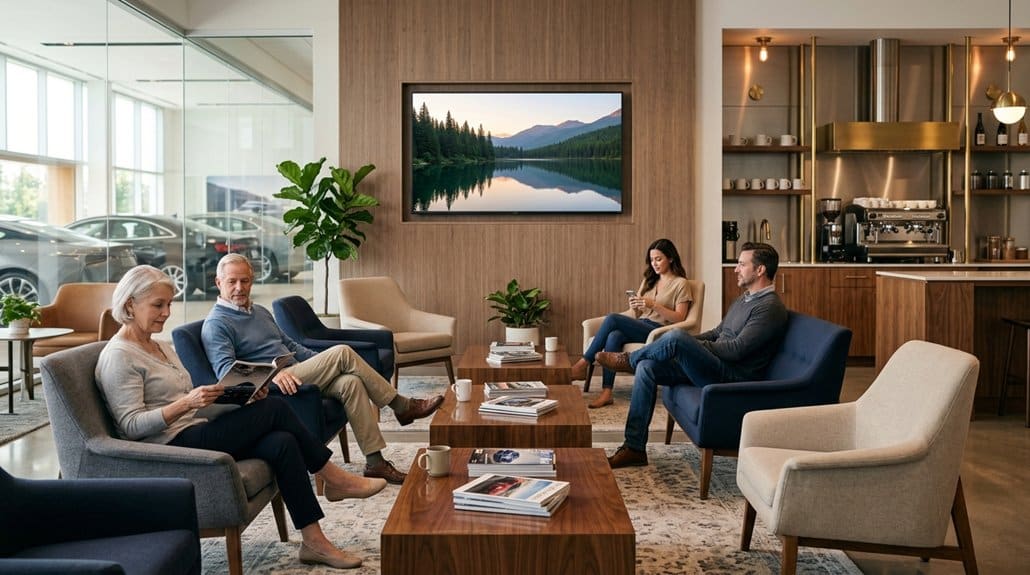
You’ll reduce perceived wait times and protect your brand by installing commercial-free lounge TV in your dealership waiting area. Uninterrupted, curated content keeps customers engaged, shrinking perceived waits by up to 33% while reinforcing your messaging instead of competitors’. Short educational clips boost trust and satisfaction, and targeted daypart playlists raise retention and repeat visits. Reliable players and strong Wi‑Fi keep uptime high so performance doesn’t hurt perceptions. Keep going to see setup, KPIs, and ROI steps.
Key Takeaways
- Commercial-free TV keeps customers focused on your brand, eliminating competitor ads that erode attention and loyalty.
- Uninterrupted, relevant content reduces perceived wait times by up to 33%, improving customer satisfaction.
- Curated programming projects professionalism and calm, creating a better service environment and trust.
- Short educational and promotional clips reinforce expertise and drive service sales without interruptive advertising.
- Reliable playback and analytics enable measurement of engagement, uptime, and ROI for continuous improvement.
Why Commercial‑Free Lounge TV Matters for Dealers
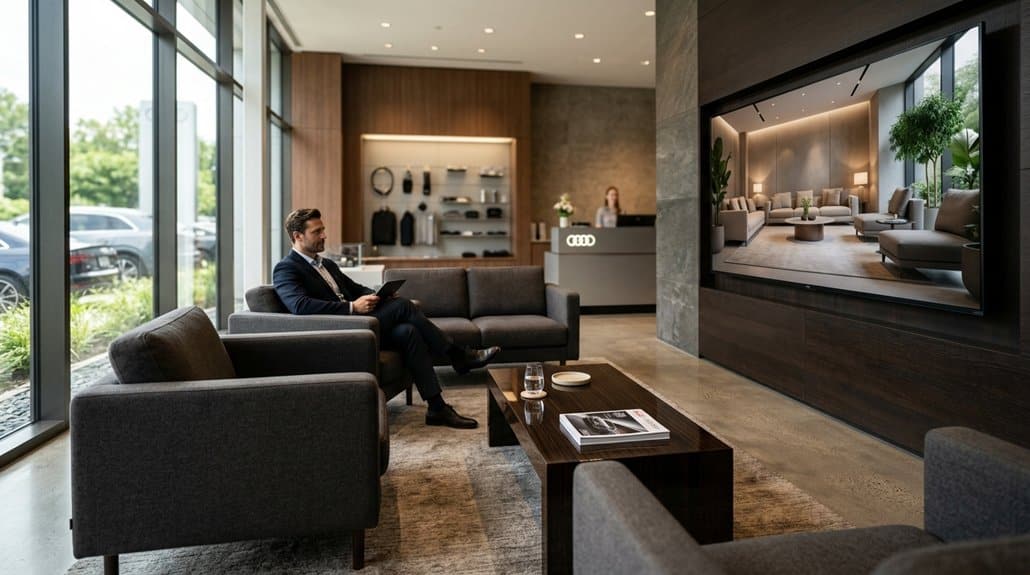
Comfort matters in your dealership’s lounge, and commercial-free TV is a simple, measurable way to deliver it: by removing competitor ads and uninterrupted programming you keep customers engaged with your brand, reduce perceived wait times, and create a calmer, more professional environment that boosts satisfaction and fosters loyalty. You’ll see clearer brand perception when every screen reinforces your messaging instead of promoting rivals. Data shows uninterrupted content raises engagement and satisfaction metrics; strategically rotating fresh, branded segments keeps information relevant and drives service uptake. That engagement translates into measurable increases in customer loyalty and repeat visits. You’re also lowering anxiety: a relaxed guest is more receptive to offers and more likely to recommend you, making commercial-free TV a cost-effective investment.
How Commercial‑Free Lounge TV Cuts Perceived Wait Times
You’ll notice perceived wait times can shrink by up to 33% when customers are absorbed by compelling visual content that minimizes clock-watching. Strategically mixing short educational segments—quick maintenance tips, service explainers, and feature highlights—keeps viewers engaged while reinforcing your expertise. That uninterrupted, commercial-free flow both entertains and informs, turning idle minutes into trust-building opportunities.
Perceived Time Reduction
Because waiting can feel longer than it is, commercial-free lounge TV cuts perceived wait times by as much as 33%, making visits feel faster and more pleasant; you’ll notice improved perceived enjoyment and a measurable shift in wait time perception when interruptions are removed. You want your customers to feel productive, not stalled, so curate educational and entertaining clips that hold attention and reduce clock-watching. The absence of competitor ads keeps focus on your brand and minimizes distraction, while fresh, well-structured programming sustains engagement across visits. Strategically, this lowers perceived delay without changing service speed, boosting satisfaction scores and loyalty metrics. Use data to refine schedules and content types so the perceived efficiency keeps improving over time.
Engaging Visual Content
While customers are waiting, engaging visual content on commercial-free lounge TVs can shrink perceived wait times by up to 33%, turning anxiety into attention and making visits feel remarkably quicker. You’ll find that purposeful visual engagement—clean, family-friendly programming and succinct, interest-aligned clips—keeps focus on your showroom, not competitors. That focus reduces impatience and feeds actionable satisfaction metrics you can track: lower complaints, higher survey scores, improved visit ratings. Strategically rotating content to match demographics and service context strengthens customer retention by creating a consistently pleasant ambiance. Because the screens are commercial-free, every minute reinforces your brand experience. Implementing data-informed schedules and brief content blocks gives you measurable gains in perceived wait time and overall customer experience without disrupting your service flow.
Educational Short Segments
Although waiting can feel wasted, short educational segments on commercial‑free lounge TVs cut perceived wait times by as much as 33% by turning idle minutes into useful, confidence‑building moments. You’ll notice customers stay calmer and more receptive when educational content explains routine maintenance, service options, or simple troubleshooting tips without competitor interruptions. That calm boosts customer engagement and trust, making conversations with your staff smoother and more efficient. Strategically rotating concise clips keeps information fresh, aligns with customer interests, and signals that you respect their time. Data shows these brief, curated moments transform waiting from a negative into a productive touchpoint, increasing satisfaction and perceived value. Implementing this approach is an efficient, brand‑positive way to improve the waiting experience.
Protecting Your Brand: Avoid Competitor Ads in the Lounge
You want customers focused on your offerings, not a competitor’s pitch, and commercial‑free lounge TV reduces competitor exposure by design. Data shows controlled content increases message retention and brand recall, so a curated playlist keeps your promotions front and center. Strategically replacing external ads with tailored programming helps you control brand messaging and strengthen customer loyalty.
Prevent Competitor Exposure
Because customers in your lounge are a captive audience, keeping TV programming commercial-free stops competitor ads from distracting them and diluting your message. You’ll preserve customer focus and strengthen brand loyalty by removing visual cues that could prompt shoppers to comparison-shop during their visit. Data shows uninterrupted, relevant content increases dwell-time satisfaction and reduces attention drift toward rival offers. Strategically, that means fewer lost opportunities and a higher probability of repeat business without relying on pushy sales tactics. An ad-free environment also projects professionalism and care, which patients equate with trust. Implementing curated, commercial-free loops is a low-friction way to protect your showroom’s attention economy and guarantee your customers engage with what you want them to see, not what competitors paid to show.
Control Brand Messaging
When you control the lounge TV content, you’re not just filling dead air—you’re shaping how customers perceive your brand, and data shows uninterrupted, dealership-branded programming increases message retention and loyalty. You’ll prevent competitor ads from undermining your offers and preserve brand consistency across touchpoints. By curating targeted educational segments and promotional spots, you reinforce recognition and build trust without external interruptions. Regularly refreshed content keeps the focus on your services, reduces distractions that harm customer engagement, and positions your team as the local authority on automotive care. Adopt a disciplined content strategy tailored to your audience’s needs—concise updates, service tips, and seasonal promotions—to maximize retention, loyalty, and the overall waiting experience while safeguarding your brand.
Lounge TV Content Mix That Entertains and Educates
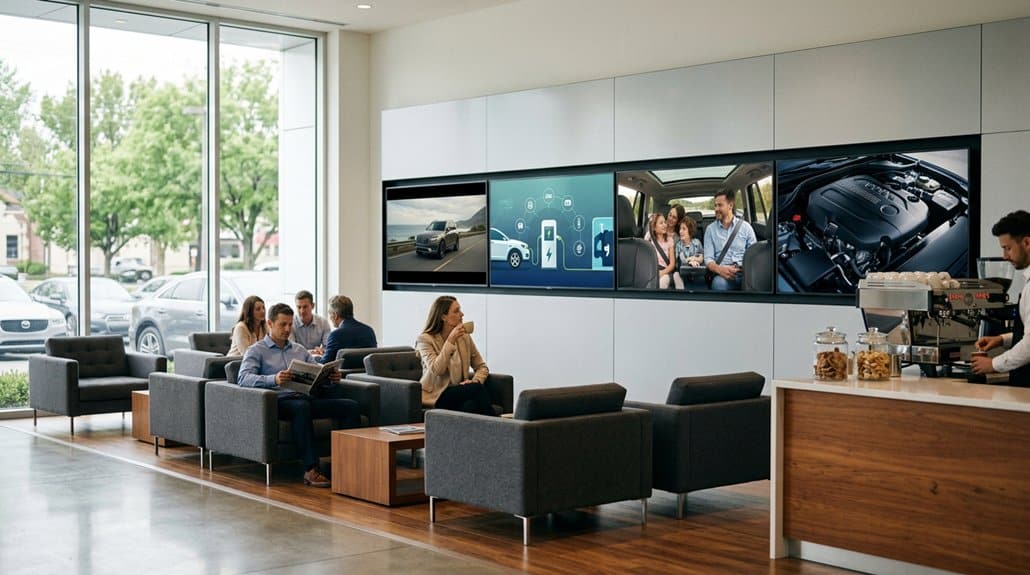
Although customers often underestimate how much waiting affects their perception, a strategically curated lounge TV mix can cut perceived wait times by up to 33% and lift satisfaction and retention. You’ll want a clear content strategy that balances family-friendly entertainment with concise automotive maintenance clips so the space feels welcoming and useful. Regularly refreshed playlists prevent staleness and keep viewer engagement high while eliminating competitor ads. Embed short promotional segments—service specials, accessory highlights—within educational pieces to reinforce your brand and drive revenue without feeling intrusive. Tailor selections to the typical audience in your lounge so programming resonates and sustains attention throughout the visit. Done right, this mix improves moods, informs customers, and supports measurable business outcomes.
Daypart Scheduling for Service Lounges and Audience Targeting
You’ve got the right mix of entertainment and short educational spots, but timing that content matters just as much as what’s playing. When you use daypart optimization, you match programming to who’s actually in the lounge — family-friendly daytime shows for parents, quick how-tos during mid-morning service, and sports or long-form entertainment in the evening — which improves audience engagement and perceived wait times. Base scheduling on analytics: track viewership patterns and tweak rotations to boost retention during peaks. Update playlists regularly so returning customers see fresh content. Strategically aligning content reduces friction, raises satisfaction scores, and encourages repeat visits.
- Use analytics to identify peak audience segments
- Rotate content weekly for freshness
- Prioritize high-retention programming during peaks
Sponsorships: Tasteful Local Ads and Revenue Options
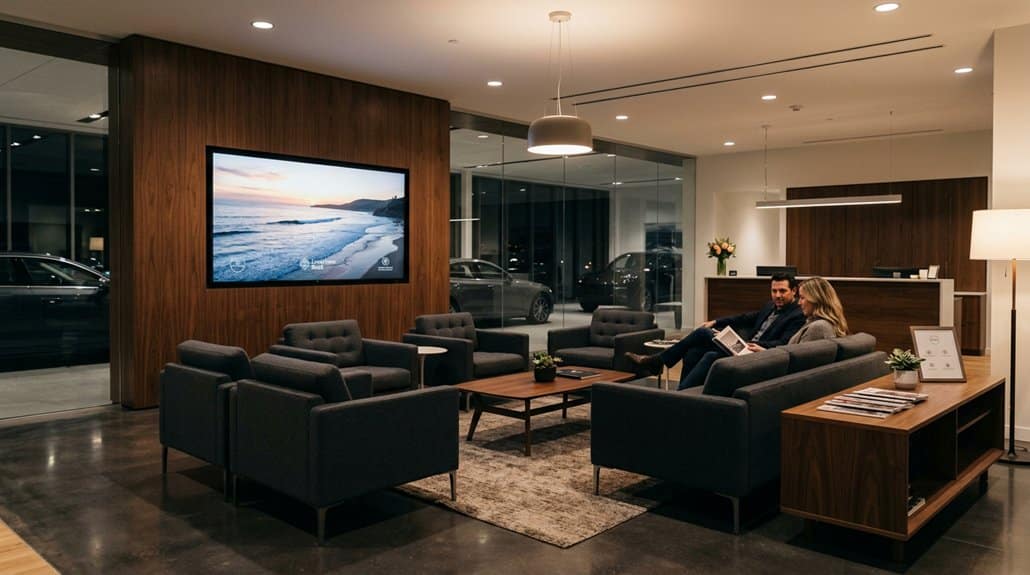
Because local sponsorships can feel more like community service than interruption, they’re a smart way to generate incremental revenue while keeping lounge content relevant and trustworthy. You’ll find tasteful local ads via local partnerships reinforce your brand and create goodwill, not clutter. Strategically rotating sponsored spots and invigorating creative keeps viewers engaged and maximizes exposure. Use clear advertising strategies: bundle time slots, offer data-driven rates, and tie pricing to metrics like view duration and click-through rates so sponsors see measurable value. That transparency helps you diversify income without undermining the commercial-free ethos. By aligning sponsors with your dealership’s values and tracking performance, you’ll sustain community-focused messaging that enhances customer trust and produces predictable revenue.
Tech Basics: Players, Playback, and Wi‑Fi Made Simple
You’ll want to choose media players that balance reliability and ease-of-use so playback stays smooth and your lounge content looks professional. Because about 40% of dealerships face non-working Wi‑Fi on first setup, plan for a simple, documented installation and basic troubleshooting steps to get customers back to a seamless experience quickly. Regular updates and minimal staff training keep hardware and software current, preventing interruptions and preserving the benefits of commercial-free programming.
Media Player Options
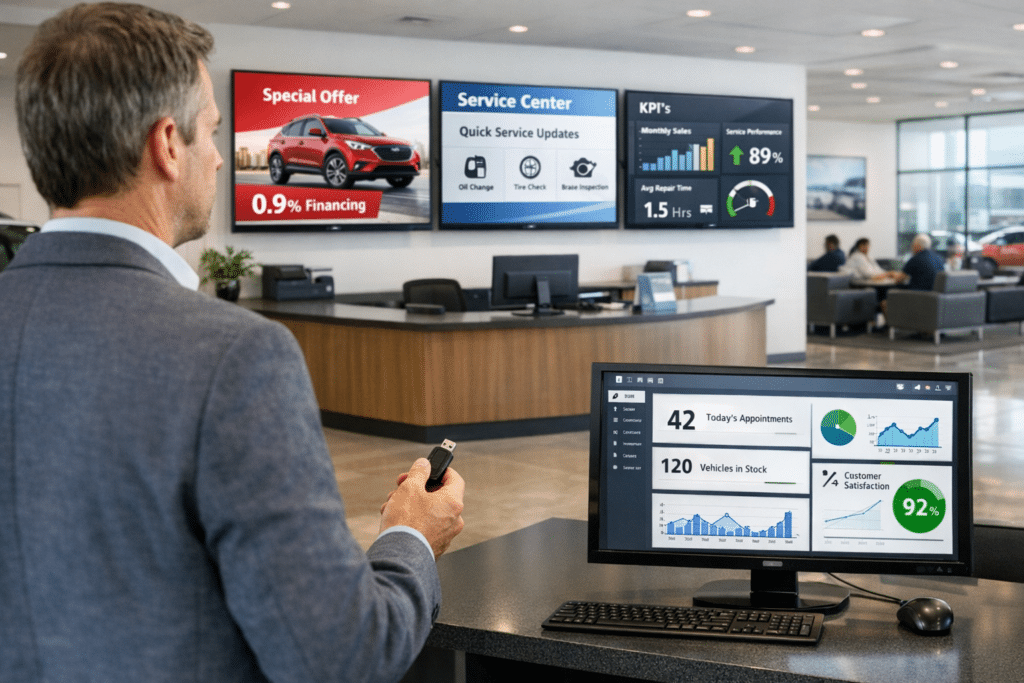
When choosing a media player for your dealership lounge, focus on reliability, ease of use, and network efficiency so playback stays smooth and ads from competitors never interrupt the experience. You’ll want media player features that minimize failures and let staff manage playlists without extra training. Prioritize devices that support content customization and scheduled updates so messaging stays relevant and wait perception improves.
- Choose solid-state players with auto-reconnect Wi‑Fi and remote monitoring.
- Prefer intuitive interfaces that let you upload, tag, and schedule content quickly.
- Guarantee OTA or cloud sync for regular updates and performance analytics.
This strategic, data-driven approach reduces downtime, improves customer engagement, and keeps your lounge experience consistently professional.
Smooth Playback Setup
If your lounge TV is going to boost customer satisfaction instead of causing headaches, start with a simple, reliable playback stack: a solid-state media player that supports scheduled, automated updates, paired with a monitored Wi‑Fi network to avoid the roughly 40% of dealerships that fail initial connectivity checks. You’ll want devices that prioritize streaming reliability so videos play uninterrupted and the waiting experience stays professional. Choose a media player with intuitive content management tools so staff can upload, schedule, and refresh playlists with minimal training. Automate regular library updates to keep programming relevant and free up your team. Strategically, this reduces downtime, minimizes manual oversight, and protects the customer experience—no ads, no surprises, just consistent, on-brand engagement.
Reliable Wi‑Fi Tips
Because reliable Wi‑Fi’s often the linchpin of a positive service‑lounge experience, start by treating network uptime as a customer‑care metric: you’re measured by Wi Fi Accessibility and Network Reliability. About 40% of dealerships report dead Wi‑Fi on first check — that’s avoidable. Millennial customers expect steady access to work or stream during 30‑minute to 4‑hour waits; poor service raises anxiety for 52% of patrons. Track uptime, set SLA targets (e.g., 99.9%), and schedule regular firmware and coverage audits so connectivity isn’t left to chance. A dependable network signals you value their time and boosts return visits. Practical steps:
- Map coverage and add access points to eliminate dead zones.
- Monitor performance and alert on outages automatically.
- Use captive portals for secure, simple guest access.
Quick Setup Checklist for Service Managers
Although you’re juggling a full service lane, a few intentional steps will have commercial-free lounge TV up and running quickly—reducing perceived wait times by as much as 33% and immediately improving the customer experience. Start with a brief inventory: screen locations, mount hardware, and network access. Prioritize setup benefits—low training time, cost-effective professional image, and ad-free control. Create accounts for the playback platform, assign an admin, and upload branded assets. Establish a simple content management cadence: weekly playlist rotations, demographic-targeted blocks, and fallback channels. Train staff with a 15-minute demo and a one-page cheat sheet. Finish by confirming remote access and test-play during peak hours so the system consistently supports satisfaction and loyalty.
Measure Impact: KPIs, Feedback, and A/B Test Ideas
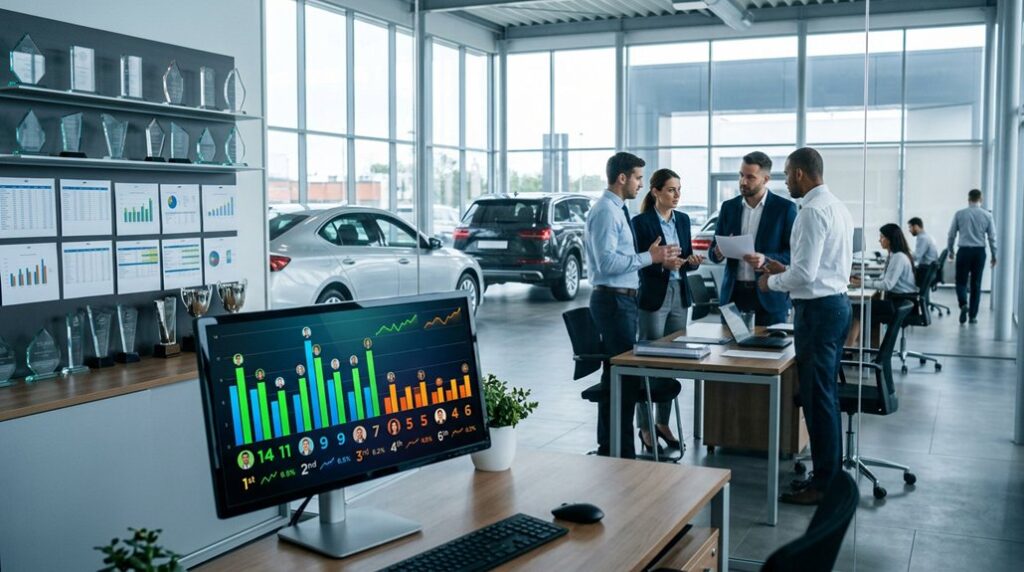
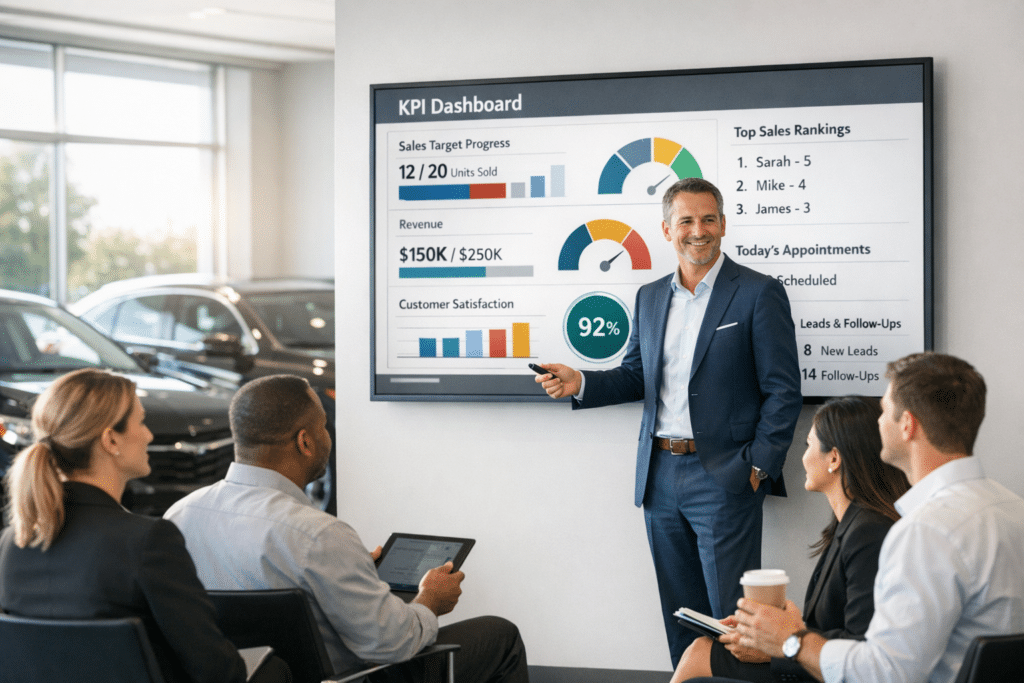
To know whether your commercial-free lounge TV is actually improving the customer experience, focus on a short list of measurable KPIs—customer satisfaction scores, perceived wait time, viewer retention, and conversion actions tied to in-lounge content—and pair them with quick post-visit surveys so you get both hard data and direct feedback. You’ll use KPI tracking and engagement metrics to guide content evaluation, tying programming effectiveness to real customer insights. Run A/B tests (educational vs. promotional) and analyze viewer retention and content resonance across demographics. Segment feedback for targeted improvements and document changes for experience enhancement.
Measure a few key KPIs—satisfaction, perceived wait, retention, and conversions—and pair them with quick surveys to improve lounge TV.
- Track satisfaction, perceived wait time, and conversion actions for clear ROI signals.
- A/B test formats and measure programming effectiveness by viewer retention.
- Use feedback segmentation and demographic analysis to refine content.
ROI Checklist: Costs, Revenue Opportunities, and Timeline
Now that you’ve got metrics and tests feeding content decisions, you’ll want a clear ROI checklist to map costs, revenue levers, and a realistic rollout timeline. Start with ROI Metrics: define KPIs (engagement rates, perceived wait reduction, repeat visits) and set baseline targets tied to sales lift. Do a Cost Analysis: hardware, software, installation, content production, and projected Maintenance Expenses (updates, licensing, tech support). Map Revenue Streams: sponsored slots, local partnerships, and upsell messaging that drives service bookings. Create a phased timeline: pilot (30–60 days), evaluate analytics monthly, then scale across locations in quarters. Include contingency for content refresh cadence. This disciplined, data-driven checklist helps you justify investment and track real returns.
Frequently Asked Questions
What Is the Red Flag Rule for Car Dealers?
The Red Flag Rule requires you to spot red flag indicators of identity theft, implement a written prevention program, train staff, monitor accounts, and guarantee dealer compliance to protect customer data, reduce risk, and avoid fines.
Do Car Dealerships Purposely Make You Wait?
Like a café that fills seats to boost sales, some dealerships do make you wait strategically; you’ll hear studies showing improved customer satisfaction when the waiting experience’s managed, but many waits are logistical, not purely intentional.
What Kind of Advertising Does a Local Car Dealership Use?
You’ll see targeted local promotions, branded video spots and customer testimonials shown on digital signage to boost customer engagement, promote services, and strategically build brand loyalty, using data-driven timing and offers tailored to your needs.
How to Spend Less Time at a Car Dealership?
You can spend less time at a car dealership by using waiting strategies like scheduling appointments, checking vehicle status online, and arriving early; prioritize time management, confirm walk-throughs ahead, and use amenities to stay productive while service happens.
Conclusion
You’re investing in more than screens — you’re shaping customer perceptions and protecting your brand. Like a well-timed commercial break that never comes, commercial-free lounge TV shortens perceived wait times, keeps competitors off-screen, and boosts service uptake when paired with strategic dayparting and targeted content. Use data (KPIs, feedback, A/B tests) to prove impact, follow the quick setup checklist, and expect measurable ROI within months if you stay consistent and purposeful.