You’ll gain a clear sales edge by using showroom digital signs to show real-time inventory, targeted offers, and trust-building content that shortens decision times and boosts conversions. Place screens at entrances, walkways, and next to vehicles to capture attention, and link them to CRM and live feeds for personalized promotions and accurate pricing. Track engagement, test creatives, and tie results to sales to prove ROI — keep going to see setup steps, KPIs, and content examples.
Key Takeaways
- Display real-time inventory and pricing to reduce confusion and accelerate purchase decisions.
- Personalize offers using CRM integration for higher engagement and targeted upsells.
- Showcase vehicle features, testimonials, and financing options to build trust quickly.
- Improve showroom flow with strategically placed, eye-level screens that increase dwell time.
- Measure impact via KPIs and A/B testing to optimize content and demonstrate sales lift.
What Showroom Digital Signs Do : And When to Use Them
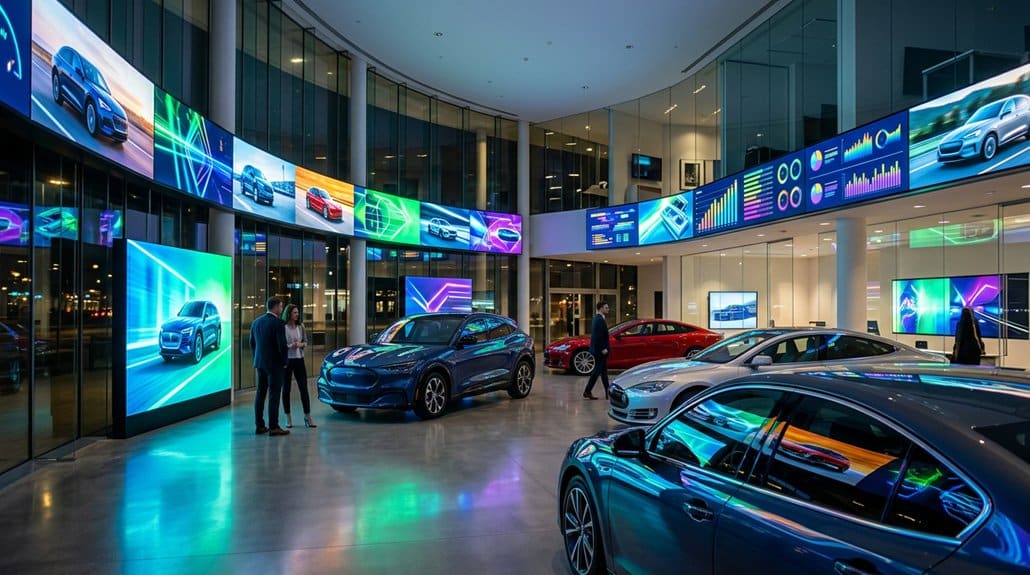
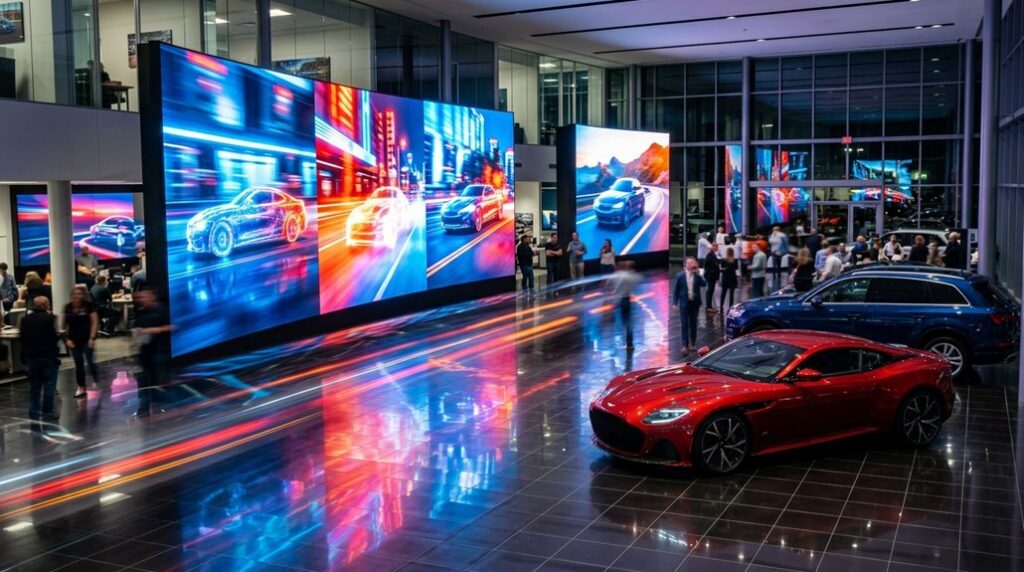
When customers walk into your showroom, digital signs deliver real-time inventory and promotion updates so they see the most current offers immediately; they also boost engagement by highlighting vehicle features, financing options and interactive tools that guide buyers through decisions. You’ll use these displays to reinforce brand messaging, present timely promotions, and answer common questions without staff intervention. Real time updates keep offers accurate, letting you pivot messaging to match market conditions or clearance needs. By showcasing specs, comparisons and tailored financing visuals, signs increase customer engagement and shorten decision cycles. Deploy them during peak traffic, model launches, or sales events to amplify impact. They complement sales staff, reduce follow-up friction, and make your showroom feel modern and responsive.
Showroom Sign Placement for Maximum Visibility
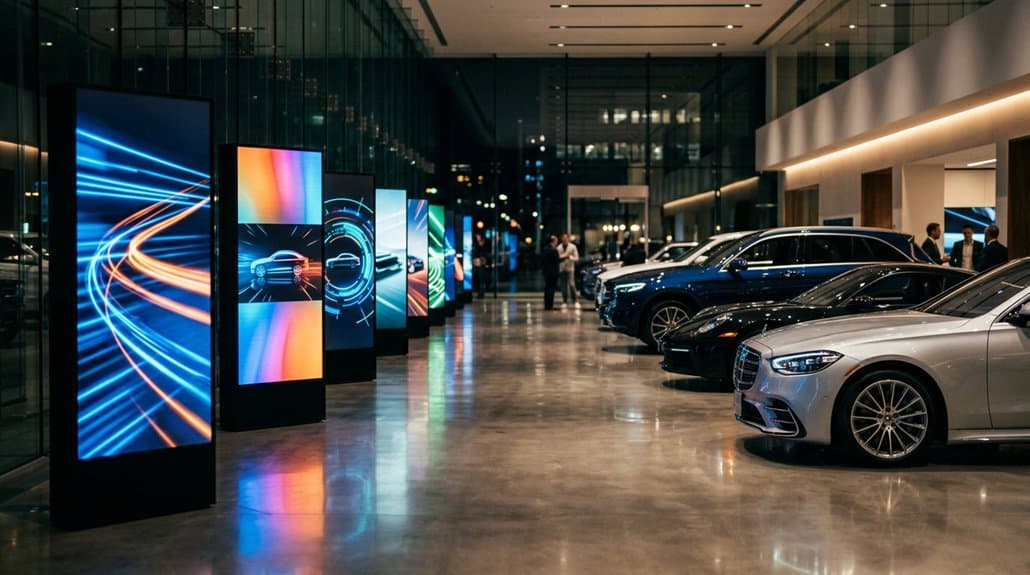
Because first impressions matter, place digital signs where customers naturally flow—entrances, walkways and waiting areas—so your messages hit people the moment they step in. You’ll boost engagement with eye level positioning; screens set at customers’ sightlines get noticed first and hold attention longer. Use strategic placement to create sightlines from multiple angles: pair entrance units with screens near vehicle displays and seating clusters so content reaches shoppers as they circulate. Multiple, well-located displays build a cohesive brand presence and let you deliver dynamic, context-sensitive information without overwhelming any one view. Keep content updated and focused on value—features, availability, and timely offers—so each sign reinforces your message and supports a smoother, more persuasive customer journey.
Drive Sales With Targeted Showroom Content
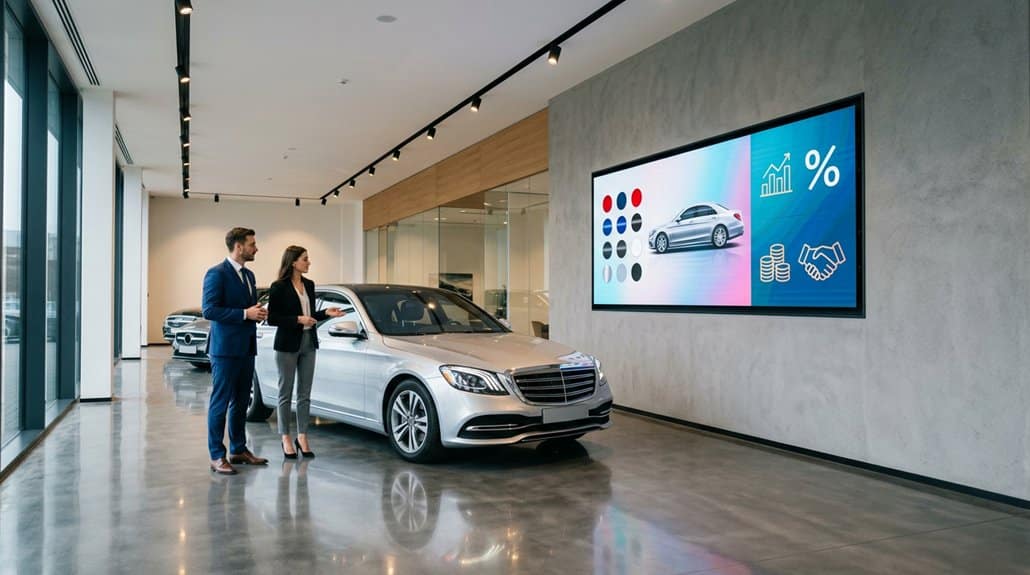
Although shoppers bring different needs and budgets into your showroom, targeted digital content lets you speak directly to each segment with timely, relevant offers that close deals faster. You can deploy targeted promotions that reflect buyer intent—first-time buyers, families, luxury seekers—using customer segmentation to tailor messages, financing options, and limited-time deals. Real-time visuals highlight current inventory and special pricing, reducing uncertainty and accelerating decisions. Interactive screens and testimonials build trust, keep visitors engaged, and shorten perceived wait times, lifting conversion rates. By aligning content with segments and sales objectives, you’ll encourage upsells and service add-ons while reinforcing brand credibility. The result: higher engagement, faster closings, and measurable lift in showroom revenue.
Connect Screens to CRM & Live Inventory Feeds
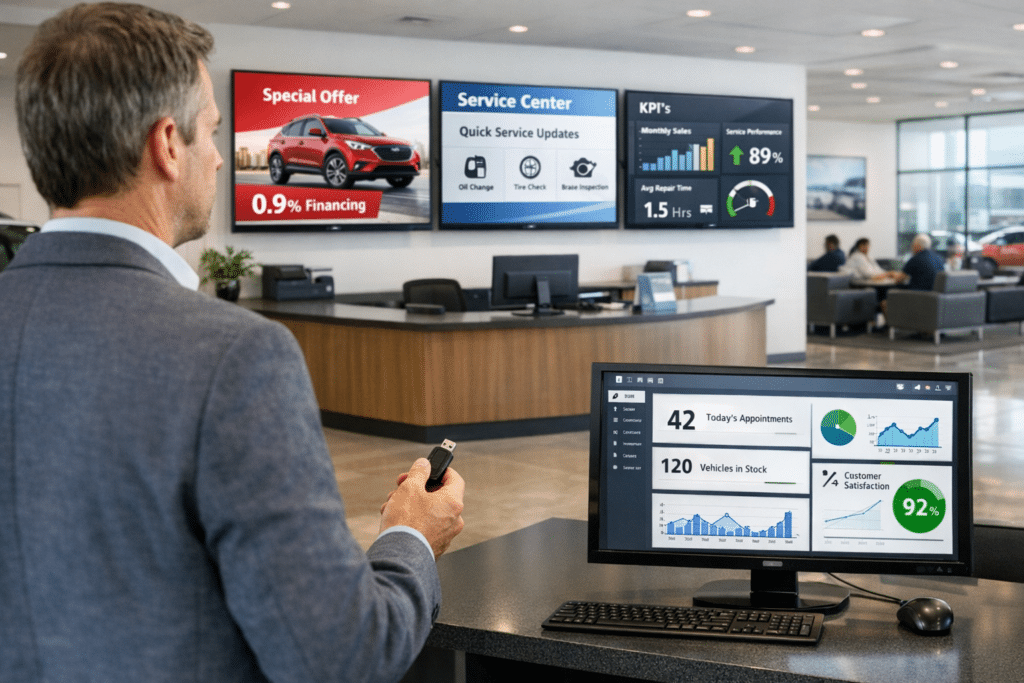
If you link your showroom screens to your CRM and live inventory feeds, you’ll turn static displays into personalized sales tools that react to each customer and the lot in real time. You’ll boost customer engagement by showing tailored offers, service reminders, and appointment slots that match preferences from CRM records. Live inventory feeds keep availability and pricing current, improving inventory management and sales responsiveness. Screens can reflect promotions instantly, reduce confusion, and guide shoppers toward in-stock vehicles. Aligning screen content with CRM data sharpens targeting and streamlines operations, lowering wait times and lifting experience quality. Below is a quick reference:
| Benefit | Data Source | Customer Impact |
|---|---|---|
| Personal offers | CRM | Higher engagement |
| Real-time stock | Inventory feed | Faster decisions |
| Dynamic pricing | Live feed | Better conversions |
| Service updates | CRM | Reduced waits |
| Targeted ads | CRM+feed | More relevance |
Measure Impact: KPIs, A/B Tests, And Sales Lift

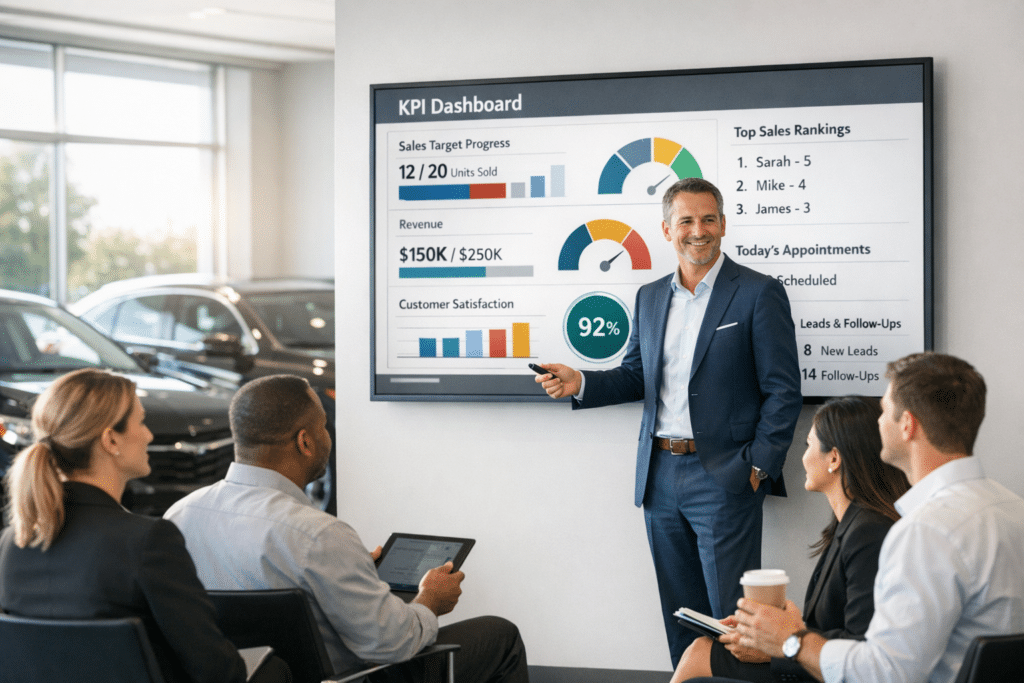
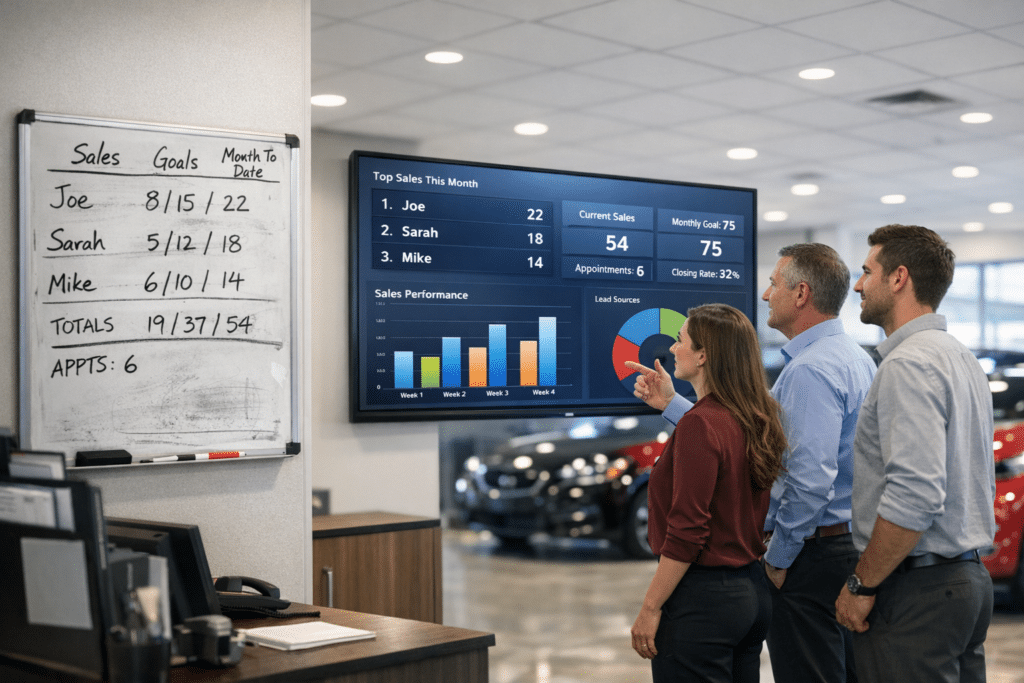
When you measure the right KPIs—engagement rates, dwell time, conversion and foot-traffic changes—you’ll know which screens and messages actually move buyers and where to invest next. Use KPI tracking and analytics tools to capture real-time customer engagement and behavior monitoring across displays. Run A/B testing on creative, calls-to-action and pricing to identify what drives higher conversions and longer interactions. Tie results to sales data to quantify sales lift—studies show targeted digital content can boost sales up to 20%—and use that proof to prioritize inventory and promotions. With clear metrics, you’ll optimize content cadence, validate spend, and accelerate sales optimization while continually refining messaging based on measurable customer behavior rather than guesswork.
Quick Implementation Checklist: Costs, Hardware, Workflow
Because a fast, clear rollout keeps your showroom momentum, start with a tight checklist covering costs, hardware, and workflow so you can get screens live and selling sooner. First, get a realistic cost breakdown: plan $2,000–$20,000 for setup (screen size, resolution, install complexity) plus CMS, maintenance, and support subscriptions. Next, confirm hardware selection: high-resolution LCD/LED screens, reliable media players, secure mounts, and any network cabling. Coordinate workflow: align IT and marketing to set content schedules, CMS access, and integration with dealer systems. Build training and vendor support into the launch plan so staff update content confidently. Finalize vendor SLAs, rollout timeline, and a post-launch KPI review to guarantee rapid ROI and minimal disruption.
Example Content Playbook: Promos, Service, And Testimonials
Although a tight content playbook feels simple, you’ll want a strategic mix of timely promos, service offers, and authentic testimonials to drive sales, service traffic, and trust across the showroom. Use promo strategies that push real-time deals and incentives on high-visibility screens to increase conversion rates; rotate limited-time service promotions—oil-change or tire-rotation discounts—to pull customers into the service lane. Schedule testimonial blocks that highlight real customers and quantified outcomes, leveraging testimonial effectiveness to boost credibility and purchase intent. Add interactive panels to guide shoppers through features and service options, shortening decision paths. Update content regularly to keep messaging fresh, reinforce your brand, and improve retention. This concise playbook turns screens into measurable touchpoints for sales and service growth.
Frequently Asked Questions
Does Digital Signage Increase Sales?
Yes — you’ll see sales rise because digital signage boosts customer engagement and visual appeal, delivers real-time promotions and interactive content, streamlines visits, and persuades buyers with targeted offers, driving higher conversion rates and measurable revenue gains.
What Is the Main Advantage of Digital Marketing in Automobile Sales?
Contrasting silence with instant connection, your main advantage is reaching the right target audience while boosting online engagement; you’ll convert awareness into action, personalize offers efficiently, cut costs, and make every interaction measurably persuasive.
What Is the Hardest Month to Sell a Car?
January’s the hardest month to sell a car — you’ll face sales trends showing low demand and seasonal factors like tight post-holiday budgets and bad weather; you’ll need targeted promotions and clear showroom messaging to recover momentum.
Why Do Cars Look Better in Showrooms?
Because showrooms use lighting techniques, intentional showroom layout and polished vehicle presentation, you’ll see cars looking richer, cleaner and more desirable; that sculpted display boosts customer perception, so you’ll feel confident buying there and now.
Conclusion
You’re standing in the showroom where digital signs do the selling when you step away—bright beacons guiding shoppers to hot deals, live inventory, and trust-building stories. Place screens where eyes naturally wander, sync them with CRM and feeds, and watch targeted content nudge decisions. Measure, tweak, and scale quickly to turn impressions into test drives. Let these displays be your silent, persuasive sales team—efficient, measurable, and always on point.