Picking digital displays for a car dealership should feel simple. Many teams compare consumer TVs with commercial video walls for dealership digital signage and wonder what will last. The wrong pick can lead to dull screens, higher costs, and extra maintenance.
Commercial video walls are built for tough use and bright spaces. They run longer, shine brighter, and look more professional in busy showrooms and service lounges. This guide explains the key differences, the benefits of each option, and how to match the right system to a real budget. Keep reading to see what fits your showroom best.
Key Takeaways
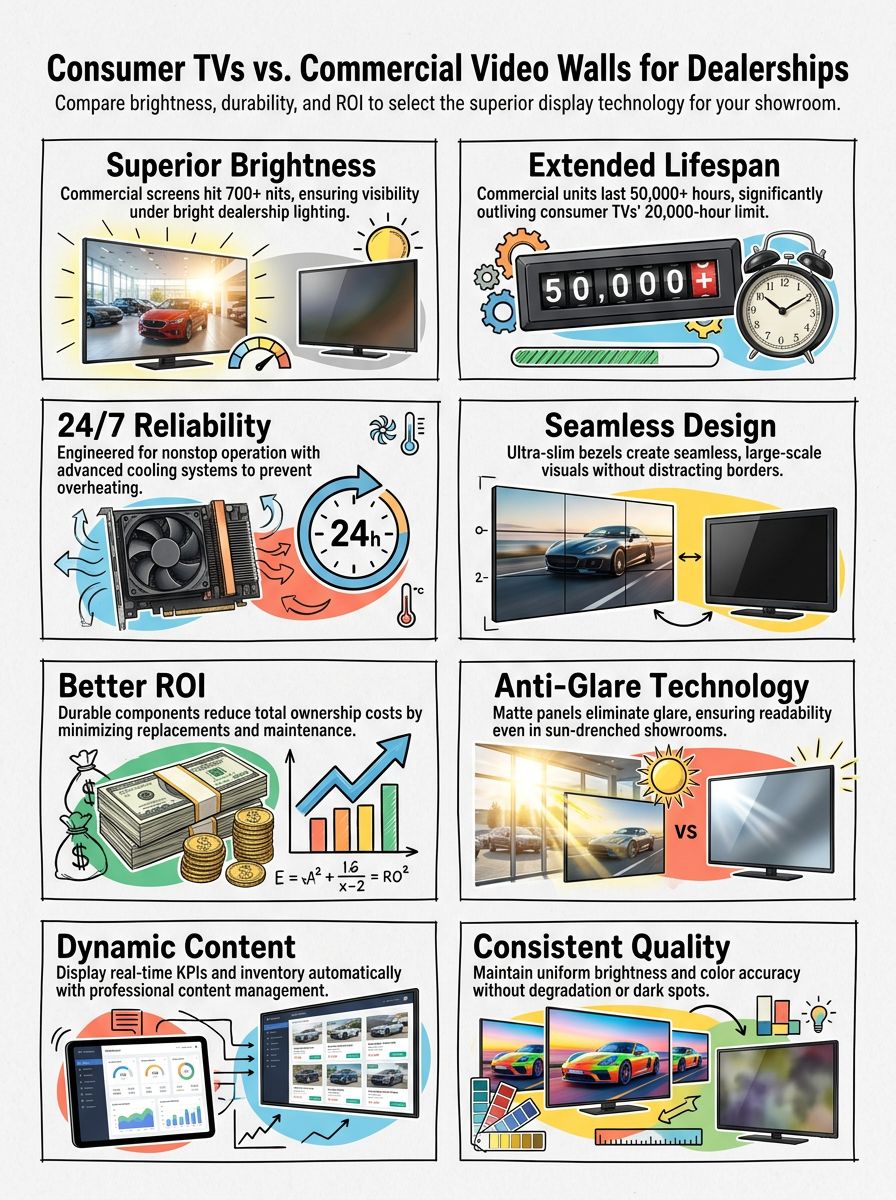
- Commercial video walls often exceed 50,000 hours of use and reach 700 nits of brightness, while most home TVs top out around 30,000 hours and 350 nits.
- Consumer TVs lack remote management and 24/7 operation support, so they can fail faster in high-traffic dealership areas.
- Dealerships lower long-term costs with commercial displays from Digital Dealership System by avoiding frequent swaps and cutting downtime.
- Commercial video walls provide better color accuracy, higher refresh rates, slim bezels, and strong visibility in bright light, which lifts engagement and morale.
- Smaller stores may use standard TVs for basic needs, but larger showrooms gain most from professional video wall solutions and setup.
Differences Between Consumer TVs and Commercial Video Walls
Consumer TVs and commercial video walls look similar at first glance, yet they work very differently. Those differences affect performance, durability, and audience impact in the showroom.
What are the main technical differences between consumer TVs and commercial video walls?
Commercial video walls use panels rated for nonstop duty. They deliver much higher brightness, often 700 nits or more. A nit is a measure of screen brightness. High nit levels help content stand out under strong lighting found in showrooms and near glass walls.
Color accuracy stays steady, and image retention is rare. Many home TVs top out near 350 nits and can lose picture quality with heavy use. Resolution is available on both types, but commercial displays make multi-screen setups clean and simple.
Video walls link through daisy-chain connections, which means one signal feeds many screens in a sequence. They support pro control systems and HDMI loop-through for easy management. Slim bezels, the thin edges around each panel, create big images with barely noticeable lines between screens. Strong mounting hardware offers flexible placement for the sales floor, the service lounge, and near the parts counter.
“Great visibility starts with great display technology.”
How do consumer TVs and commercial video walls compare in terms of durability and lifespan?
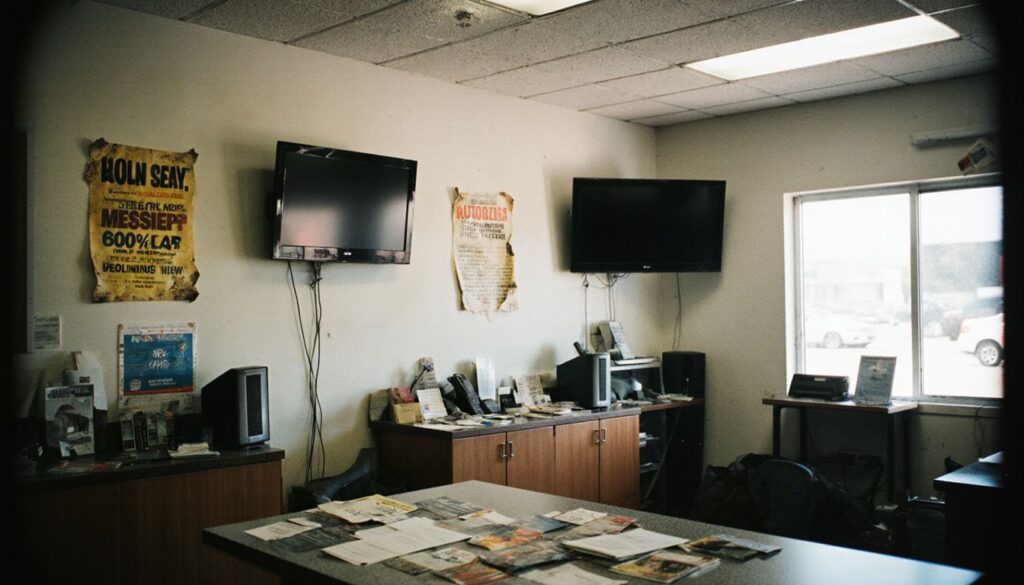
Consumer TVs are made for casual living room use. Design often favors style over long, heavy operation. These sets handle limited daily hours and perform best in dim spaces. Most last about 20,000 to 30,000 hours before quality drops.
Commercial video walls from Digital Dealership System are built for business needs. They run for long stretches without losing clarity or reliability, which is critical in high-traffic dealerships. Components inside these panels are engineered for bright light, public spaces, and frequent content changes.
Many commercial panels reach beyond 50,000 usage hours thanks to better parts and cooling systems. That longevity protects the investment and cuts surprise replacements. While consumer TVs may look cheaper up front, they usually wear out faster under showroom schedules. A commercial-grade video wall is built for constant use and peak performance.
What are the differences in display quality and brightness levels?
Display quality sets the tone for every visitor. Commercial video walls use advanced panels with strong color accuracy and higher contrast. Contrast is the difference between dark and light parts of the image, which helps text and photos pop.
Uniform panels reduce dark spots, banding, or tint shifts. Higher refresh rates, which show how often the image updates each second, keep motion smooth for walkaround videos and service promos. Wide viewing angles keep content clear from the front desk to the back row of the showroom.
Most commercial displays allow fine calibration. Calibration is the process of tuning colors and brightness so the picture stays true over time. Even under sunlight or track lighting, details remain easy to see. That clarity helps shoppers compare models, features, and offers without squinting.
Benefits of Commercial Video Walls for Dealership Digital Signage
Commercial video walls grab attention fast, like a billboard inside the store. They make any area feel modern and organized, which supports sales conversations and service updates.
Why are commercial video walls better suited for dealership environments?
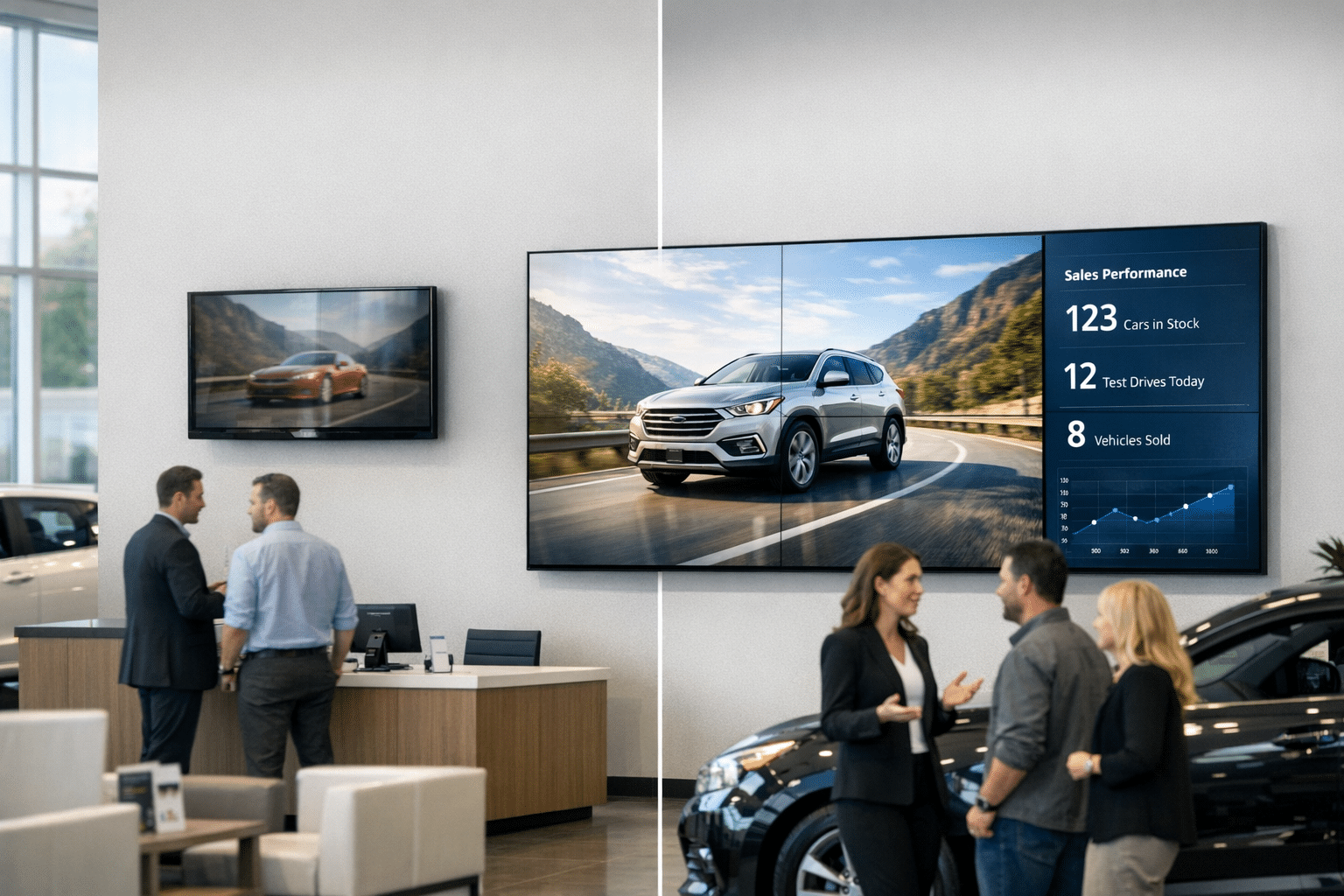
Showroom floors are bright and busy. Video walls handle that pressure with high brightness, sturdy parts, and long runtimes. Clear visuals lift brand presence and help teams share real-time updates, such as sales goals, service wait times, or trade-in offers.
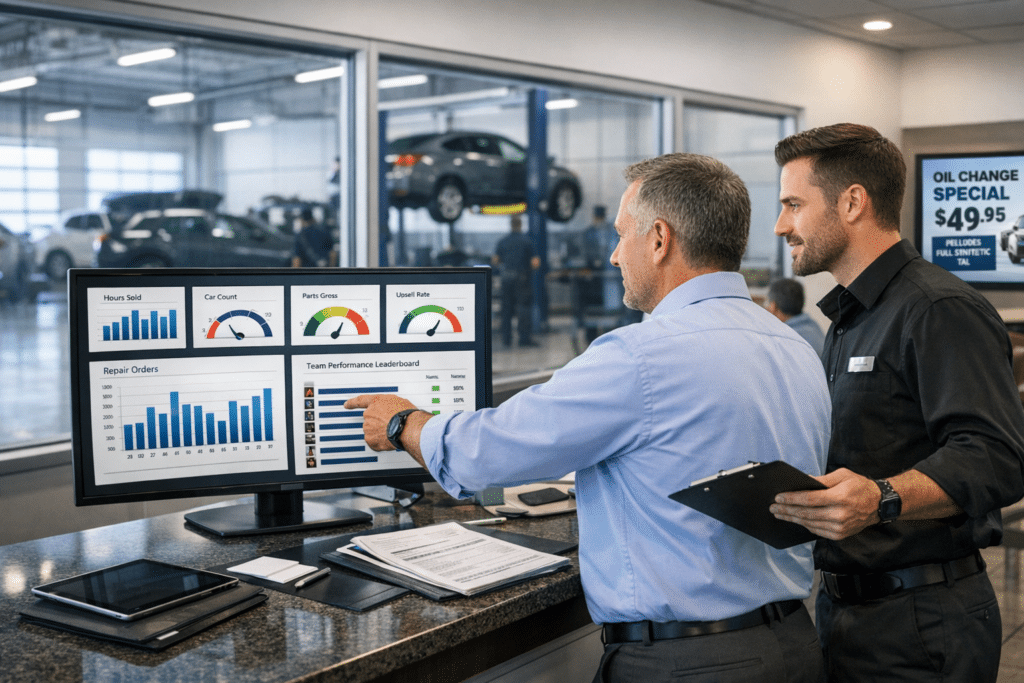
Dealerships use this display technology to show live performance metrics on manager and staff leaderboards. That encourages friendly competition and keeps goals visible during peak hours. Professional installation aligns the layout, content plan, and budget on day one.
With purpose-built construction for constant use, these systems make visual communication simple. Whether a single column near the entrance or a full 3×3 wall behind the welcome desk, the right setup scales with the store.
“Commercial video walls transform dealership spaces with eye-catching displays that engage visitors while delivering key business insights all day.”
How can commercial video walls improve customer engagement at dealerships?
Large, bright screens pull the eye and keep guests informed. Digital signage can display real-time KPI dashboards, service updates, and short marketing clips. If the system supports interaction, shoppers can browse inventory or compare trims on the spot.
Leaderboards for managers and teams show progress and spark energy. That visibility can improve speed and service quality. Solutions scale from one screen near finance to a full showroom wall. A pro setup ensures strong visibility under daylight and ceiling spots.
Customers feel more confident when info is timely, clear, and easy to find. That lifts engagement, which supports test drives and faster decisions.
What cost advantages do commercial video walls offer for long-term use?
Commercial video walls are built for long life and steady performance. That means fewer replacements and fewer service calls over the years. Lower swap rates help avoid surprise labor costs and unplanned downtime.
Professional mounting and cabling simplify maintenance. If the business grows, more panels can be added to an existing layout without scrapping the original investment. That flexibility protects budgets and keeps messages running.
Better uptime and stronger visibility can drive more leads from the same floor traffic. Many dealers see faster returns when screens stay bright during sales events and weekend rushes. For help planning a system that fits both goals and budget, reach out to the team.
What Are the Drawbacks of Using Consumer TVs in Dealerships?
Consumer TVs often struggle with the demands of a busy showroom. Here is where commercial signage solves common pain points.
What limitations do consumer TVs have for continuous commercial use?
Home TVs are not made for continuous operation. Running all day can lead to heat issues or early failure. Lower brightness makes content hard to view in bright spaces, which reduces impact during peak hours.
Most models lack scheduling tools and remote management, so daily control takes more effort. Shorter lifespans raise long-term costs because screens need to be replaced more often. Lower refresh rates and weaker processing can also blur motion, which hurts the viewing experience.
How do consumer TVs perform in bright dealership lighting conditions?
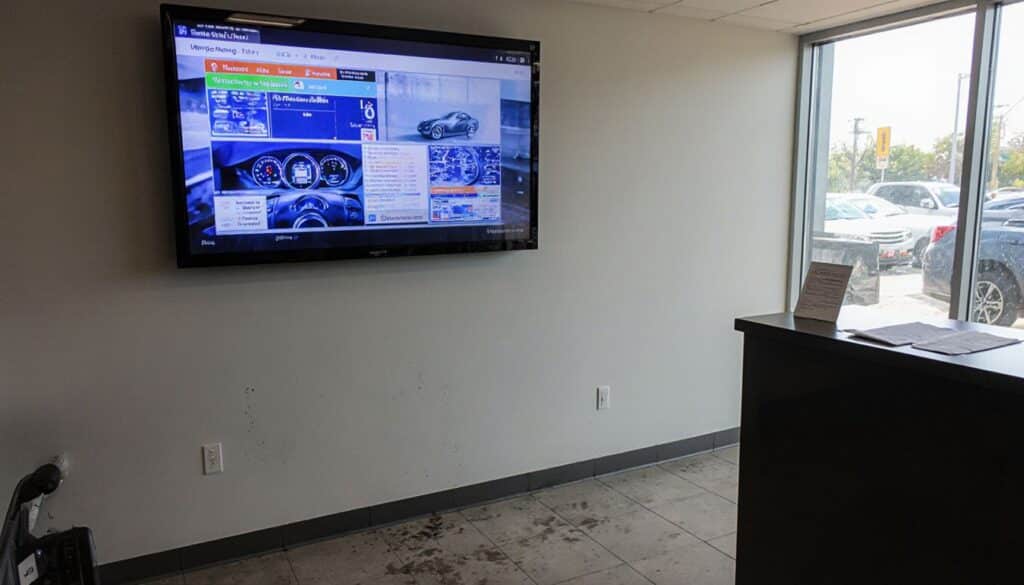
Bright lighting exposes the limits of standard TVs. Without high nit levels, images look washed out. Reflection and glare on glossy glass make text and fine details hard to see.
Color fidelity drops under harsh light, and contrast flattens. That means product videos and limited-time offers do not stand out. Commercial video walls use advanced panels that fight glare, boost brightness, and hold accurate color even at midday.
Are consumer TVs cost-effective for dealership digital signage needs?
At first glance, consumer TVs seem like a bargain. In daily business use, they often cost more. Shorter lifespans, brightness limits, and sudden failures lead to extra service trips and lost ad time.
Commercial displays from Digital Dealership System are built to handle 24/7 schedules. They support pro features like remote control, content scheduling, and staff leaderboards that power sales coaching. Reliability and clarity reduce waste and protect revenue opportunities.
If the goal is steady, high-impact messaging under bright light, home TVs can struggle. Commercial options fit the job and help teams stay focused on customers, not on fixing screens.
Conclusion
The right choice depends on store size, lighting, and goals. Smaller dealerships may be fine with a few standard TVs for simple messaging. Large showrooms with heavy foot traffic need professional displays that last longer, stay bright, and deliver a seamless look with video wall solutions.
Commercial video walls draw attention and support strong visual merchandising, which can help convert interest into test drives. Digital Dealership System offers both paths, plus automated KPI dashboards and custom installation services that match real budgets. If the plan is to level up dealership digital signage with confidence, contact the team for expert guidance today.
FAQs
1. What are the main differences between consumer TVs and commercial video walls for dealership digital signage?
Consumer televisions offer basic display functions, while commercial video walls deliver advanced features like higher brightness, longer operational hours, and seamless multi-screen integration. Commercial displays also provide better durability in high-traffic showroom environments.
2. Why should dealerships choose commercial video walls over standard TVs for their digital signage needs?
Commercial video walls support continuous operation without overheating or image retention issues common with consumer models. They create a professional look that impresses customers and can be customized to fit unique spaces, maximizing visual impact across your dealership floor.
3. Are there cost benefits to using consumer TVs instead of commercial-grade solutions in showrooms?
While upfront costs may seem lower with regular televisions, ongoing maintenance and shorter lifespans often lead to higher expenses over time. Commercial systems reduce downtime and replacement frequency; this saves money long-term while ensuring consistent performance.
4. How do installation and service differ between these two options for dealership environments?
Professional installers configure commercial video wall systems specifically for automotive retail settings, optimizing layout and connectivity for maximum effect. Consumer TV setups lack tailored support; they may not meet technical requirements or warranty standards needed in busy sales areas—contact our team today to discuss custom solutions designed around your business goals!