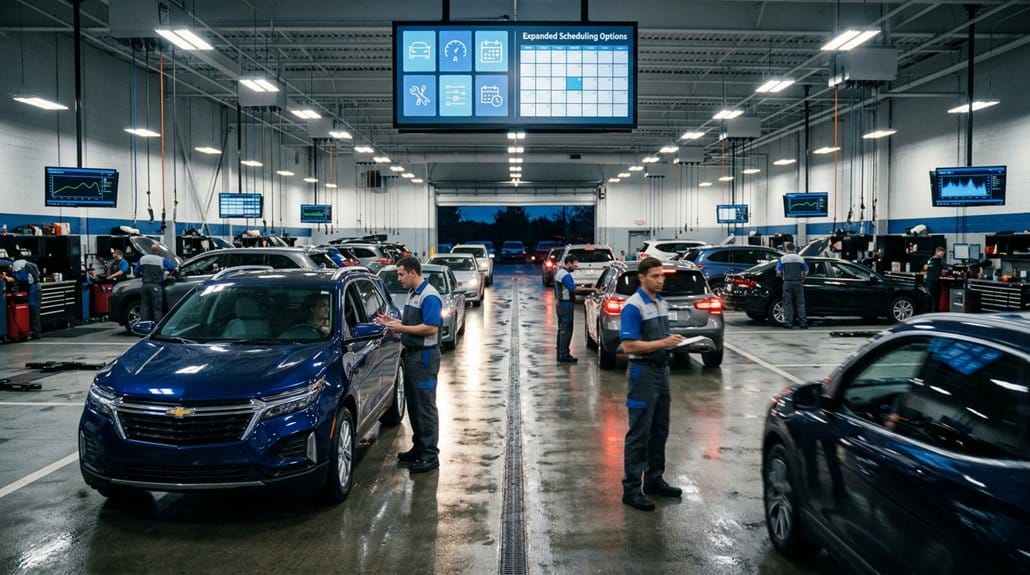
You should be promoting future service visits, not just today’s appointments, because scheduling follow‑ups and timely reminders raises return rates (57% vs 38%), boosts loyalty and repeat sales, and turns one‑offs into predictable revenue. Make next appointments part of checkout, use targeted incentives and staggered messages, and train staff to book before customers leave. Simplify online booking and confirmations to cut no‑shows and delays. Keep tracking KPIs so you can optimize tactics and learn what scales.
Key Takeaways
- Promoting future services boosts return rates, turning one-off visits into recurring customers and increasing long-term loyalty.
- Scheduling next appointments during checkout raises rebooking by 57%, creating predictable service bay utilization.
- Timely reminders and targeted incentives prompt preemptive visits, preventing costly breakdowns and higher repair bills.
- Training sales and service advisors to hand off and promote future work improves retention and incremental service revenue.
- Measuring KPIs (retention, no-shows, conversion) enables continuous optimization and scalable revenue growth.
Why Promoting Future Service Visits Boosts Revenue
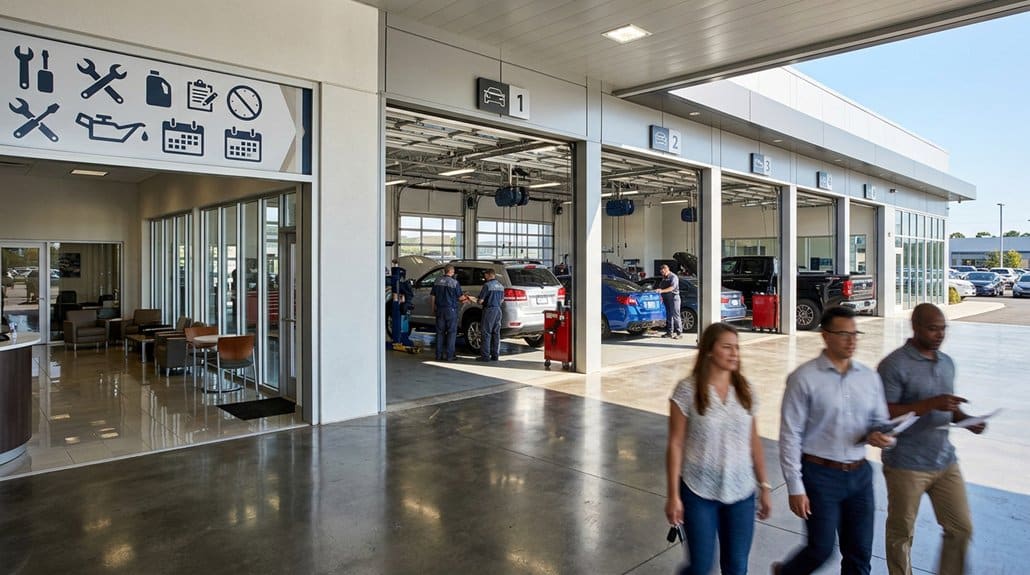
If you get customers to schedule their next service before they leave, you’ll see retention jump—57% of those with a scheduled follow-up return versus 38% without—driving steadier shop traffic and predictable revenue. You’ll boost loyalty by promoting future visits: 74% of buyers come back when service is consistent, and repeat engagement raises sales odds 29% after one visit and 40% after five. Use future service strategies that combine proactive scheduling, targeted incentives, and timed reminders to keep customers on your calendar. Those customer loyalty initiatives reduce downtime, smooth workflow, and maximize fixed-ops revenue. By making the next appointment part of today’s checkout, you’ll convert one-off visits into recurring business and measurable profit growth.
Capture Existing Customers: Sales-to-Service Handoffs
You’ve already seen how booking the next service at checkout boosts retention—now make sure sales teams carry that momentum into handoffs to service. You should train sales reps to schedule that first appointment: customers are 57% more likely to return when it’s set at purchase. That scheduled visit creates a predictable customer journey from showroom to service bay, increasing the chance of repeat sales by 29% after a single service. Highlighting your service experience during the sale converts casual interest—38% of new buyers come back without an appointment—into committed future visits. Use brief scripts, visible service tours, and digital handoffs so service staff know expectations. Tight sales-to-service coordination improves loyalty, lifts service profits, and turns buyers into long-term customers.
Re‑Engage Past Customers: Offers, Timing, and Messaging
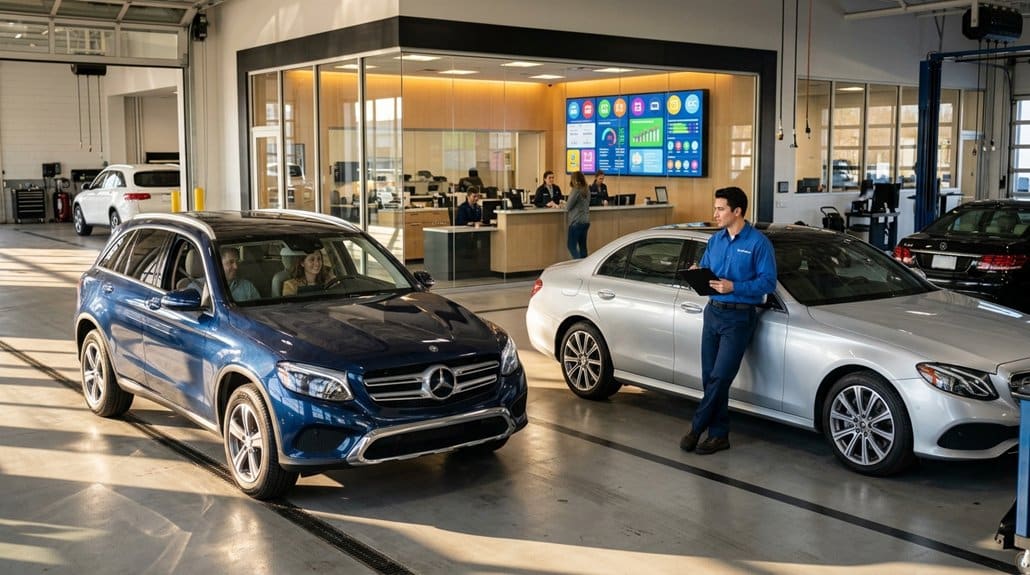
Use timely service reminders based on driving history to prompt visits before small issues become big ones, since scheduling the first follow-up boosts return rates. Pair those reminders with targeted discounts or coupons to overcome appointment delay and lift re-engagement. Stagger personalized messages—frequency and channel tailored to past behavior—to increase appreciation and the chance of future sales.
Timely Service Reminders
When past customers get timely, personalized service reminders that reference their driving history and upcoming maintenance needs, they’re far more likely to come back—57% return when a follow-up appointment is set versus 38% without one. You should use driving history to tailor reminders to service frequency and expected wear, so messages feel relevant, not generic. Highlight available services and amenities to reduce procrastination and no-shows, and schedule follow-ups during the initial contact to lock in visits. Keep communications concise, timely, and data-backed to boost customer satisfaction and retention. Don’t forget proactive alerts for upcoming maintenance windows; they maintain steady shop utilization and signal that you care about the customer’s vehicle and time.
Targeted Offer Incentives
A well-timed, personalized offer can be the nudge that brings past customers back into your service lane. You should use targeted discounts tied to service history and intervals, since personalized offers measurably boost customer engagement and response rates. Send offers shortly before typical service windows to capitalize on timing—57% return when their first follow-up is set. Use data-driven segmentation to tailor messaging, increasing relevance and retention. Maintain a systematic follow-up for lapsed customers to reduce no-shows and speed maintenance.
- Offer a service-specific coupon based on last visit
- Time outreach within the expected service interval
- Use behavior data to refine offer value and channel
- Track redemption and adjust segments to improve customer engagement
Personalized Communication Cadence
You’ve seen how targeted offers tied to service history can pull customers back in; now make sure your outreach cadence matches that personalization. Use driving history and past interactions to set communication frequency that feels helpful, not intrusive. Data shows tailored notifications boost engagement and cut opt-outs by as much as 400%, so segment based on service type, mileage, and last visit. Follow up promptly: 57% return when their first next appointment is set, so a timely reminder plus a targeted discount raises re-engagement. Solicit customer feedback after each contact to refine timing and messaging. Track responses and adjust intervals — shorter for high-risk churn, longer for satisfied, low-need owners — to maximize loyalty and service revenue.
Convert New Customers to Service Visits: Discoverability & Easy Booking
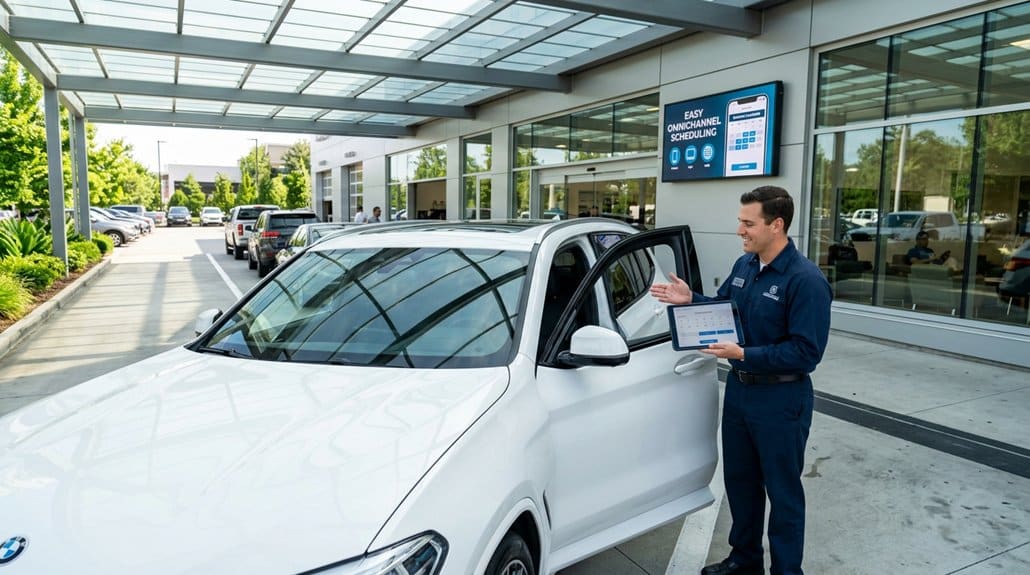
Make it easy for new customers to find you online by optimizing local search and listings, since higher visibility drives more first-time service visits. Simplify booking with clear service/pricing pages and online scheduling—57% of customers return when their first appointment’s set. Highlight your trained technicians and quality workmanship to build trust and turn that initial visit into long-term loyalty.
Improve Online Findability
When potential customers can find your service department quickly online, they’re far more likely to book — and 57% of those who set their first appointment return for additional services. You’ll boost conversions by strengthening your online presence and using digital marketing to target local searchers. Make service menus, pricing signals, technician credentials, and trust cues easy to find so visitors trust you and act.
- Optimize pages with local SEO keywords and accurate dealership info.
- Feature clear service descriptions, pricing ranges, and tech bios to build credibility.
- Use structured data and Google Business Profile to improve visibility in maps and search.
- Run targeted digital marketing campaigns that drive qualified traffic to service pages.
These steps convert discovery into first visits and long-term retention.
Simplify Booking Process
Visibility gets you in the door, but a clunky booking flow will stop prospects cold. You need a streamlined interface that makes scheduling obvious and fast: clear service descriptions, transparent pricing, and one-click appointment slots. Data shows online scheduling boosts visits by 57% when the first appointment is set, so reduce required fields to cut abandonment. Use customer feedback to iterate—track where users drop off, A/B test form lengths, and prioritize mobile ease. Make sure contact options (chat, call) are visible for questions that short forms can’t capture. By simplifying booking, you convert discoverability into real service visits and increase the chance buyers return for their next vehicle, leveraging that 74% loyalty stat.
Highlight Technician Expertise
Because customers want confidence before they book, clearly showcasing your technicians’ certifications, specialized training, and real-world experience boosts trust and drives visits—57% of customers return for service when they know who’s working on their vehicle. You should make technician qualifications visible on your site and booking flow so customer trust grows before they schedule. Highlight specialties (advanced diagnostics, EV service), post certifications and short bios, and surface testimonials that reference skilled staff. Pair that with one-click online booking tied to each tech’s calendar to convert interest into appointments.
- Publish credentials and photos on service pages.
- Tag services with technicians’ specialty skills.
- Show customer testimonials about technician expertise.
- Offer technician-linked, easy online booking.
Cut No‑Shows With Better Scheduling and Reminders
If you want fewer no-shows, start by scheduling appointments immediately during customer calls and confirming them via their preferred channel—text, email, or phone—since timely booking plus tailored reminders reliably boosts attendance. Use evidence-based scheduling strategies: offer concrete slots, send instant confirmations, and log communication preferences so reminders align with behavior. Measure reminder effectiveness by tracking open rates, clicks, and attendance lift; texts often yield the highest engagement. Incentivize on-time arrivals with small rewards to reinforce commitment and loyalty. When someone misses an appointment, follow up promptly to reschedule and reclaim capacity. Finally, minimize in-visit wait times to improve satisfaction and future attendance. These steps cut no-shows, protect revenue, and strengthen customer relationships through predictable, data-driven processes.
Reduce Service Delays: Pickup, Drop‑Off, and Day‑Of Routing
When you coordinate pickups, early drop-offs, and clear day‑of routing, you’ll cut service delays and keep technicians working at full capacity; designated drop‑off lanes and same‑ or next‑day slots turn idle time into billable hours, while pickup/drop‑off options boost convenience and expand daily throughput. You’ll increase pickup efficiency and refine drop off logistics by routing vehicles to prepped bays, reducing handoff time and starting work immediately. Same‑ and next‑day availability draws more customers and smooths service lane traffic. Track missed appointments, follow up quickly, and reschedule to fill gaps. Use simple signage and digital check‑in to keep flow steady and customers informed.
- Designate drop‑off lanes for quick check‑ins
- Offer pickup windows and confirmations
- Prioritize early drop‑offs for start‑of‑day work
- Reschedule no‑shows within 24 hours
Train Service Advisors to Drive Retention and Vehicle Sales
Train your service advisors to be revenue drivers, not just schedulers. You’ll boost gross profit per person by investing in service advisor training that turns routine interactions into sales and retention opportunities. Advisors see more customers than sales staff, so their communication shapes the customer experience and repeat visits. Teach them to schedule the next service before customers leave, mirroring hairdresser best practices, and to execute seamless handoffs from sales — when sales teams refer properly, 57% of new buyers return for service. Many dealerships underinvest here; reallocating training resources is a high-ROI move that improves service retention and overall profitability. Make coaching measurable, role-specific, and centered on clear scripts and behaviors that prioritize convenience and trust.
Measure Success: KPIs, Attribution, and Continuous Optimization
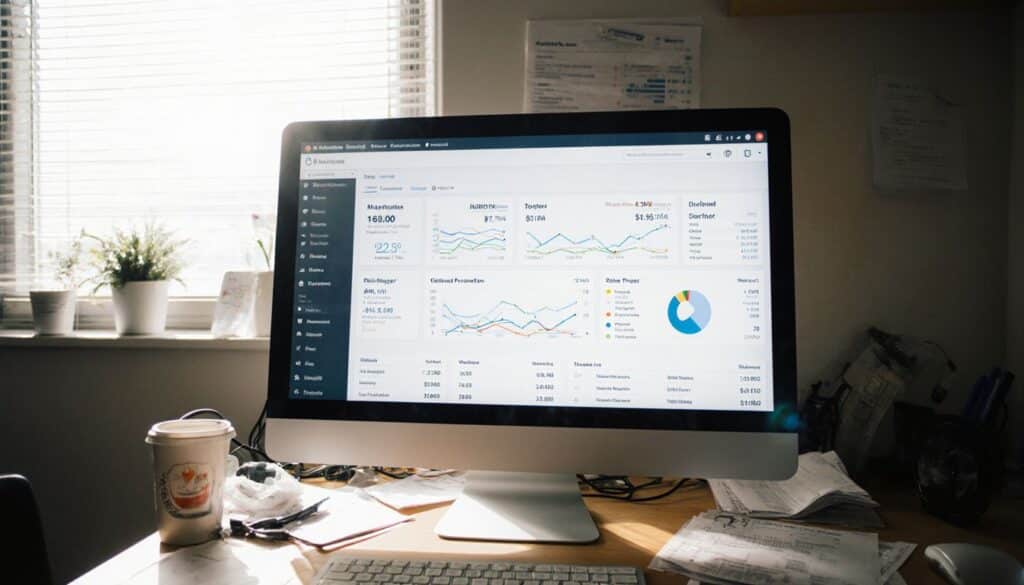
Because measurable goals and tight attribution are the foundation of profitable service drives, you’ll want to define a small set of KPIs (service retention, CSAT, appointment conversion, no-show rate, and revenue per RO) and tie each to specific campaigns and channels. You’ll track KPI trends and engagement metrics to spot shifts in customer behavior and adjust creative, timing, or offers. Use attribution models to credit touchpoints accurately so marketing effectiveness guides budget moves. Leverage reporting tools that surface data insights and make ROI visible. Continuous optimization strategies should test variable changes, measure lift, and scale winners. Keep cycles short: analyze, act, and repeat to turn insights into sustained revenue growth.
- Monitor KPI trends weekly
- Map Attribution models by channel
- Use reporting tools for transparency
- Test optimization strategies and measure lift
Frequently Asked Questions
What Is the 30 60 90 Rule for Cars?
The 30-60-90 rule schedules car maintenance at 30, 60, and 90 days to catch issues early, boost customer retention, justify service promotions, and use appointment reminders to drive revenue and measurable service department growth.
What Is the Red Flag Rule for Auto Dealers?
The Red Flag Rule requires you to detect, document and address fraud indicators in transactions, training staff and implementing procedures to safeguard customer data; this boosts customer trust, guarantees service transparency, and reduces regulatory and financial risk.
How Much Commission Does a Car Salesman Make on a $30,000 Car?
You’d typically earn about $600–$750 on a $30,000 car if gross profit is $3,000 and commission structures pay 20–25%; sales incentives or flat-rate plans can raise or alter that amount, so check your dealership.
What Is the $3000 Rule for Cars?
The $3000 rule for cars says you’ll average about $3,000 in maintenance costs over a vehicle’s lifetime; tracking this helps optimize vehicle longevity, prioritize preventative service, and reduce unexpected repairs through data-driven scheduling.
Conclusion
You’ve seen how promoting future service visits turns short‑term fixes into long‑term revenue engines. Like a gardener pruning for next season’s bloom, proactive outreach, seamless booking, timely reminders, and trained advisors cultivate loyalty and upsell opportunities. Track KPIs—appointment conversion, retention rate, no‑show decline—and iterate based on attribution. Do this and you’ll boost lifetime value, cut delays, and make every service drive a predictable, profitable part of your customer journey.