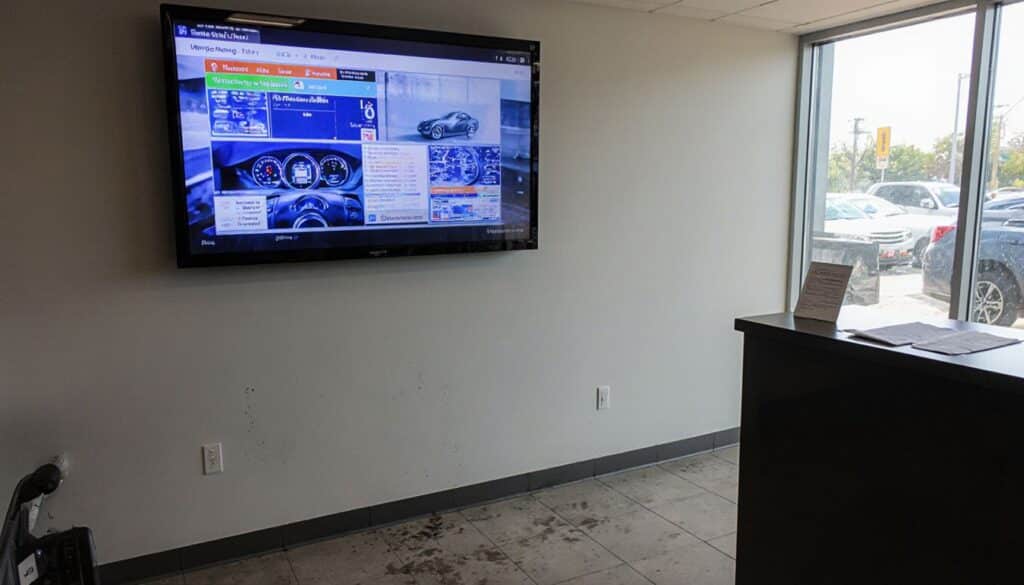
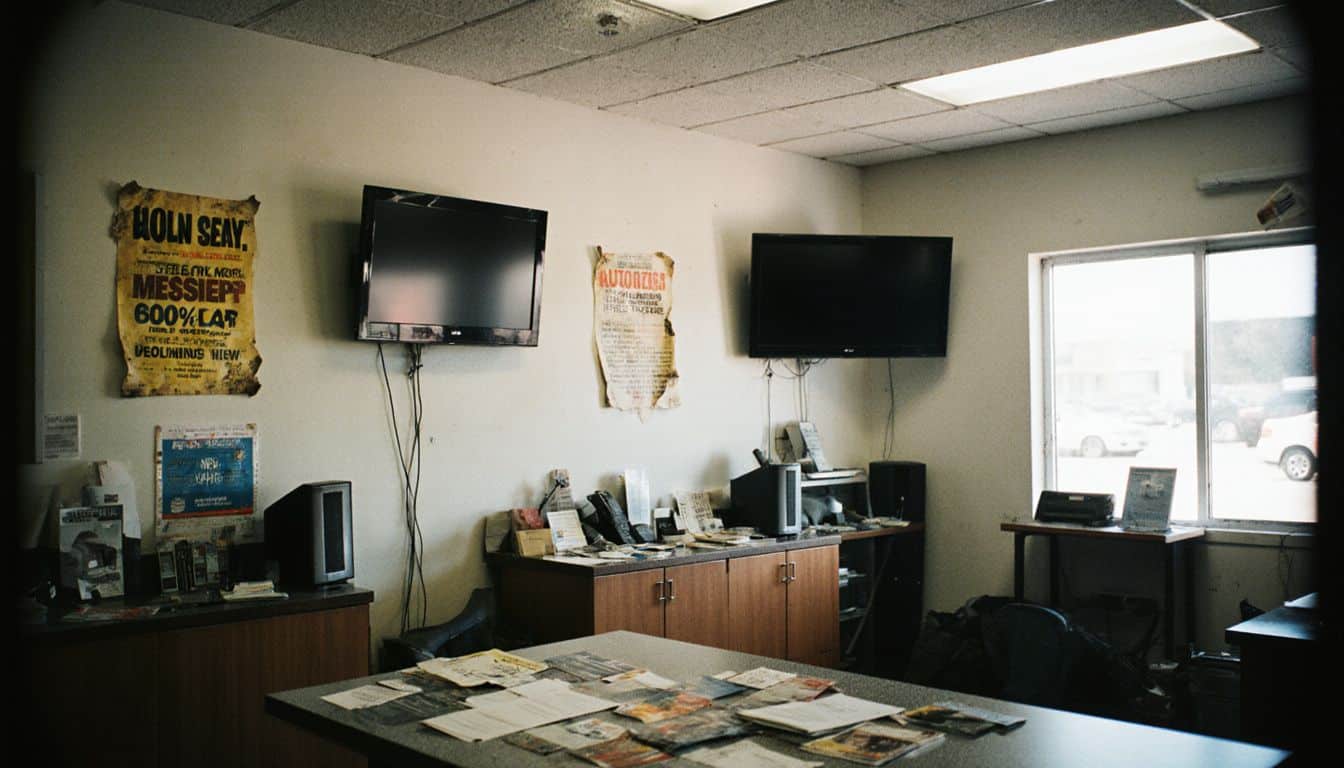
Blank TV screens, dated posters, and slow updates make stores feel stale. Many GMs see cluttered showrooms, stressed teams, and lost sales because old tools cannot keep up. Digital signage fixes that by speeding up messages and lifting customer engagement.
Competitors already use smart screens to attract buyers and keep attention. Every week spent on old systems can cost real money in missed ups and weaker conversion.
One key fact: Digital Dealership System gives car retailers real-time dashboards and automated digital displays for both sales and service. The platform shows current numbers, pushes fresh content, and cuts manual work for staff.
This guide breaks down automotive digital signage pricing in clear steps. Readers will see how modern digital displays built for dealers beat cluttered methods from the past.
Switching now can lower costs, build customer trust, and grow sales. Get a simple plan that makes sure the right message reaches the right people at the right time. Keep reading to learn smarter automotive marketing with digital signage.
Key Takeaways
- Digital Dealership System delivers live dashboards and automated screens that reduce manual updates, lower costs, and raise customer engagement.
- Main pricing drivers include display type, hardware, software licenses, installation, maintenance, network needs, ad revenue options, and energy use.
- Bundled packages and cloud software can cut upfront costs and allow fast remote updates so content stays current.
- Energy-efficient LED screens trim utility bills and avoid hidden costs linked to outdated screen technology over time.
- Data-focused tools help GMs track ROI in real time, pause weak ads quickly, and protect more revenue.
Key Factors Influencing Automotive Digital Signage Costs

Old tools act like a dead battery, they slow starts and drain time. Static posters and clunky systems cannot match fast-changing inventory or today’s shopper habits. Teams feel the drag and the showroom energy fades.
Hidden costs build up from wasted ad spend and screens that do not connect with real-time vehicle data or service queues. Dealers using smart digital signage get instant updates, interactive options, and a livelier floor.
Many common software tools are slow to update and lack integration with in-vehicle displays or advanced advertising solutions. That forces teams to juggle too many logins and manual tasks.
Digital Dealership designed its platform for clear cost control, with automation, useful data, and simple workflows that GMs can use right away.
Digital display success comes down to smart connections—not just flashy screens.
What Are the Main Components of Digital Signage Pricing?
After seeing the big cost drivers, it helps to know exactly where budget goes. Many GMs worry about hidden fees and confusing choices. Here is a simple breakdown of typical components.
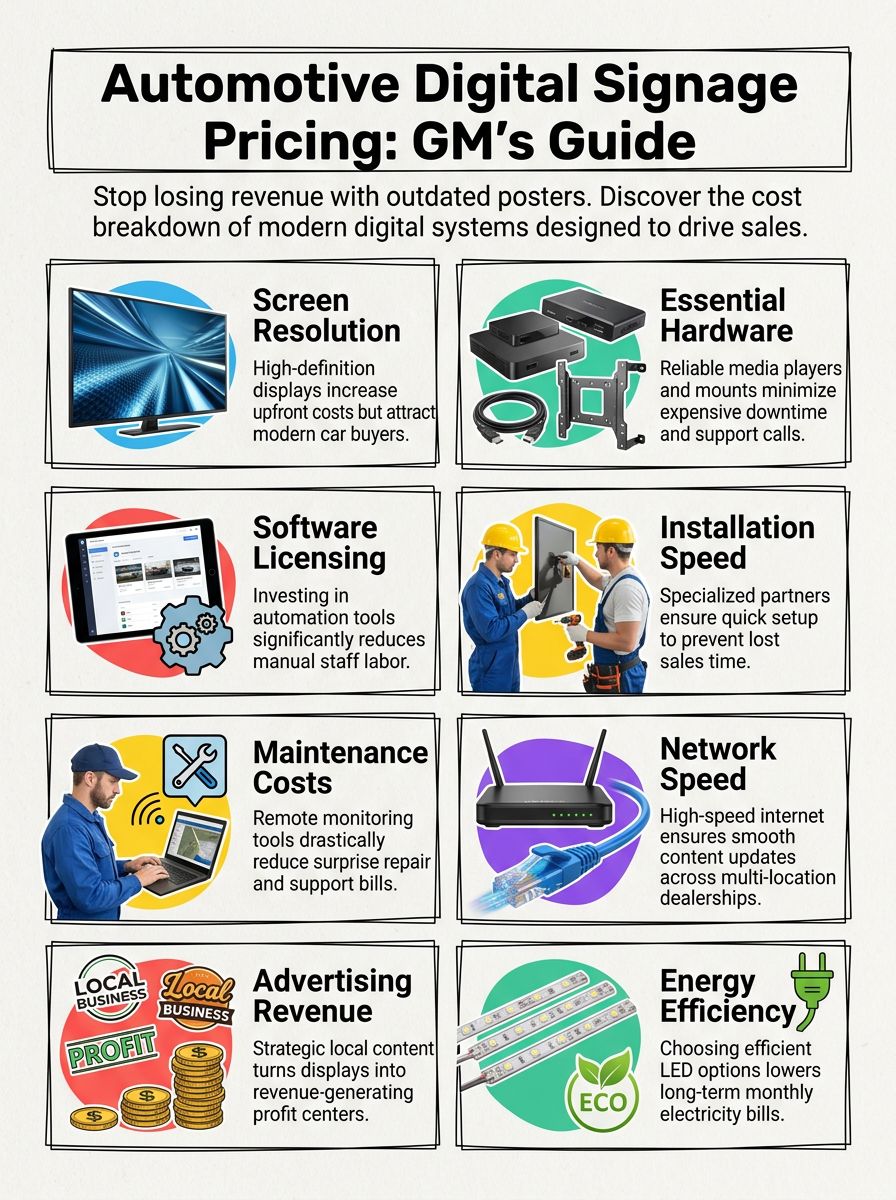
- Digital displays are the heart of the system, and resolution affects price. High-definition screens cost more, yet they impress shoppers and make the store look modern.
- Hardware includes media players, brackets, cables, and mounts, everything needed to run screens daily. Reliable gear reduces downtime and service calls.
- Software licenses cover the content management system, or CMS, which schedules and updates messages across sales floors and lounges. Automation means less hands-on work for staff.
- Installation fees can rise with slow vendors. Fast, organized installs from a digital-focused partner like Digital Dealership reduce disruption and help protect sales during rollout.
- Maintenance includes parts, warranty support, and remote troubleshooting. Systems built for dealerships limit surprise bills through remote monitoring and simple updates.
- Network needs shape upfront spend. Strong internet, wired or wireless, keeps content flowing and updates quick across all rooftops.
- Advertising revenue can offset costs when content matches local interests. Good screen placement can turn signage into a profit center, not just décor.
- Screen technology choices, such as LED vs. LCD, affect both purchase price and long-term power use. Choosing efficient options early saves money every month.
Digital Dealership offers integrated solutions made for auto retailers. The approach pulls these pieces together so GMs avoid outdated tech, surprise fees, and slow processes.
How Can GMs Lower Costs When Implementing Digital Signage?
Even with a clear plan, budgets can feel tight. These steps help control spend while improving results.
- Pick hardware that fits daily needs. Focus on reliable, energy-efficient screens that are easy to service for long-term savings.
- Use a CMS built for dealerships. A purpose-built tool shortens training, keeps content fresh, and reduces labor.
- Bundle screens, software, and support in one package. Simple bundles lower upfront costs and make budgeting easier.
- Choose advertising technology with remote updates. Automated schedules prevent costly on-site visits for routine changes.
- Negotiate service contracts that include support and upgrades. This reduces surprise repair costs and keeps hardware optimized.
- Track the power draw of each display. Switching to LED or lower-wattage models can cut monthly utility bills fast.
- Use data-driven visual communication from Digital Dealership. Real-time ROI tracking helps pause weak ads and shift budget to winners.
- Test content with small pilots before full rollout. Quick trials reveal what works best without heavy upfront spend.
- Explore financing through trusted automotive tech partners. Manageable monthly payments keep cash flow steady during deployment.
Manual updates waste staff hours and slow growth. Digital Dealership built its signage system for automation, lower costs, and clear results for GMs. Get a fast demo and see how setup, content, and reporting all work together.
Conclusion
Outdated dealership displays drain budgets and patience, and missed sales slip away. Shoppers expect quick info, fair prices, and a store that feels active.
Old methods struggle. Slow updates, high manual costs, and clunky tools create daily friction for managers.
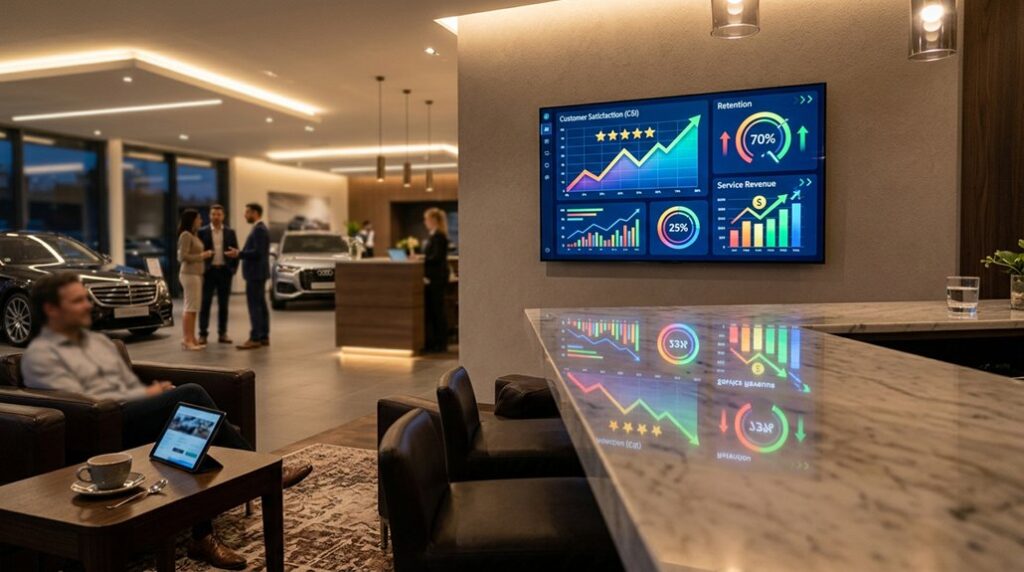
Digital Dealership System changes that. Integrated dashboards show key KPIs, or performance metrics, in real time. Cloud software keeps advertising solutions current without extra trips.
Groups of any size can pick pricing strategies that fit their goals and cash flow, with no hidden fees. Modern digital signage supports customer engagement, stronger automotive marketing, and cleaner operations.
Now is the time to remove wasted ad spend and bring focus to every screen. Visit Digital Dealership today. See cost-effective digital displays and visual communication built for tomorrow’s growth.
FAQs
1. What factors affect automotive digital signage pricing for dealership managers?
Several elements shape the cost of automotive digital signage, including screen size, display resolution, installation complexity, software licensing fees, and ongoing support services. Location within your showroom or service area also impacts total investment.
2. How does digital signage benefit auto dealerships compared to traditional displays?
Digital signage delivers real-time updates on promotions and inventory changes; it captures customer attention with dynamic visuals and interactive content. This technology streamlines communication across departments while enhancing brand image and driving sales conversions.
3. Are there hidden costs in implementing automotive digital signage solutions?
Transparent providers outline all expenses upfront—hardware acquisition, software subscriptions, maintenance agreements, and potential content management fees are standard components. Always request a detailed quote to avoid surprises down the road.
4. Why should dealership managers choose professional-grade digital signage over consumer models?
Professional-grade systems offer higher durability for continuous operation in busy environments; they include advanced features like remote monitoring and secure data integration tailored for auto retail needs. Investing in commercial solutions ensures reliability plus long-term value for your business objectives—contact our team today to explore options that fit your goals!