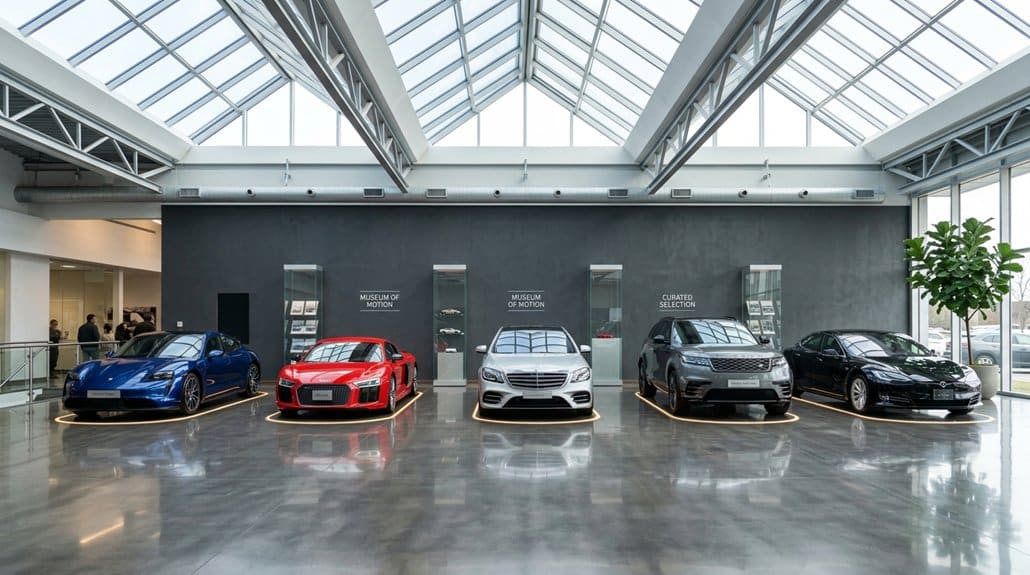
You only get seconds to impress—95% of buyers form opinions immediately—so clear clutter, bright LED lighting, comfortable temperature, and visible refreshments matter. Train staff to greet warmly, listen actively, and follow up quickly with tailored offers. Use high-contrast, brand-consistent signage and optimize layout for sightlines and dwell time. Track foot traffic, conversion, and feedback to test tweaks that boost sales. Keep going to find practical checklist items and A/B tests you can apply today.
Key Takeaways
- Ensure a spotless, well-lit showroom with clear sightlines to create a strong first impression within seconds.
- Train staff for warm greetings, active listening, and prompt communication to personalize customer interactions.
- Use consistent branding, strategic color choices, and high-quality signage for instant recognition and legibility.
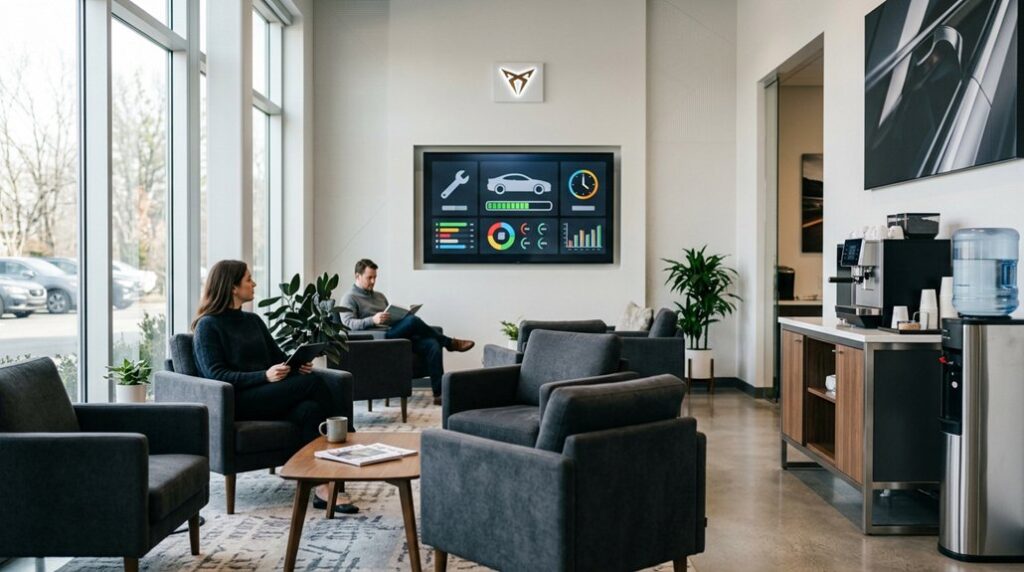
- Add comfort and hospitality touches—refreshments, seating, and interactive displays—to increase dwell time and engagement.
- Measure foot traffic, dwell time, and conversion rates, then A/B test layout and visuals to optimize memorability.
Quick Checklist: Make Your Showroom Welcoming in Minutes
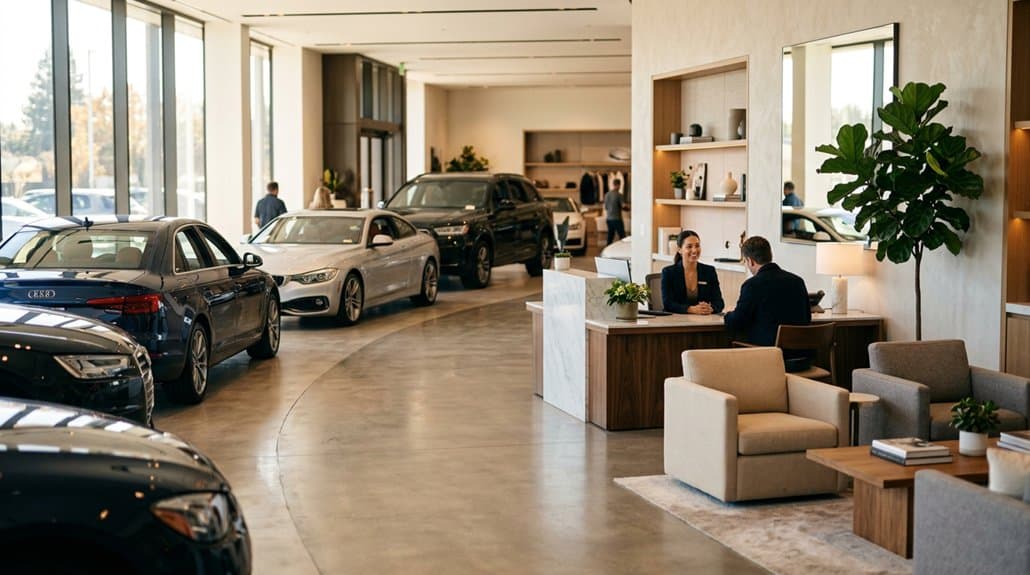
Start with five quick actions you can complete in minutes to make your showroom noticeably more welcoming: clear clutter and sanitize surfaces, upgrade to bright LED lighting, set the thermostat to a comfortable range, offer visible refreshments, and add simple hospitality touches like fresh flowers and current magazines. You’ll create measurable gains: tidy spaces boost perceived professionalism, LED lighting increases visual clarity and improves visitor engagement, and a comfortable temperature raises dwell time. Visible refreshments and warm greetings reduce friction and encourage longer visits. Track simple KPIs—average visit duration, conversion rate, and customer satisfaction scores—to quantify impact. These focused, low-cost steps optimize showroom ambiance and deliver rapid, data-backed returns without major renovation or staffing changes.
What Shoppers Expect When They Walk Into Your Showroom
When shoppers walk in, they’ll form a lasting opinion in seconds, so you should prioritize spotless, well-lit spaces and comfortable temperatures to maximize that first impression. Keep clutter down and offer small comforts like refreshments—both measurably increase time spent and perceived value. Make sure staff provide clear, timely communication and swift service to build trust and respect customers’ time.
First Impressions Matter
Because first impressions shape decisions in seconds, your showroom has to communicate professionalism, comfort, and value the moment customers step inside. You meet customer expectations by greeting them warmly, offering complimentary snacks or beverages, and presenting thoughtful showroom aesthetics that signal care. Data shows tidy, well-designed spaces build trust; effective LED lighting improves visibility and makes displays more engaging. Maintain comfortable temperature and minimize clutter to reduce friction and increase satisfaction—these factors raise the likelihood of return visits. Together, these elements shorten decision cycles and elevate perceived value without extra selling. Prioritize measurable tweaks: track visit duration, engagement with displays, and repeat-visit rates after adjustments to lighting, layout, and welcome procedures.
Cleanliness And Comfort
You’ve set the tone with a warm greeting and thoughtful layout; now make sure the space itself reinforces that message. Cleanliness and comfort drive perception: 95% of buyers form opinions on entry, so showroom hygiene isn’t optional. Regular cleaning prevents clutter blindness, keeping attention on vehicles rather than distractions. Implement high-efficiency LED lighting to improve visibility and reduce eye strain, directly boosting customer comfort and decision stamina. Small amenities—complimentary snacks and beverages—extend dwell time and lower barriers to engagement, increasing likelihood of purchase. Schedule frequent assessments and documented cleaning routines to signal professionalism and build trust, which encourages repeat business. Measurable standards for hygiene and comfort transform first impressions into measurable sales outcomes.
Helpful Staff Interactions
Start interactions with a genuine welcome—75% of customers form their opinion within minutes of entering, so that initial exchange sets the tone for the entire visit. You need staff who combine empathy training with active listening to personalize conversations and increase satisfaction. Train teams on emotional intelligence to boost scores by ~20%, and use text updates (99% open rate) for service transparency.
- Greet promptly and authentically
- Use empathy training to read needs
- Practice active listening; reflect and confirm
- Send real-time texts for updates
- Follow up post-visit (65% expect it)
These steps are measurable: 70% of shoppers value personalized service, and proactive follow-up builds loyalty. Implement focused coaching, scripts for clarity, and KPIs to track improvement.
Design Tips That Build Trust: Lighting, Layout, and Branding
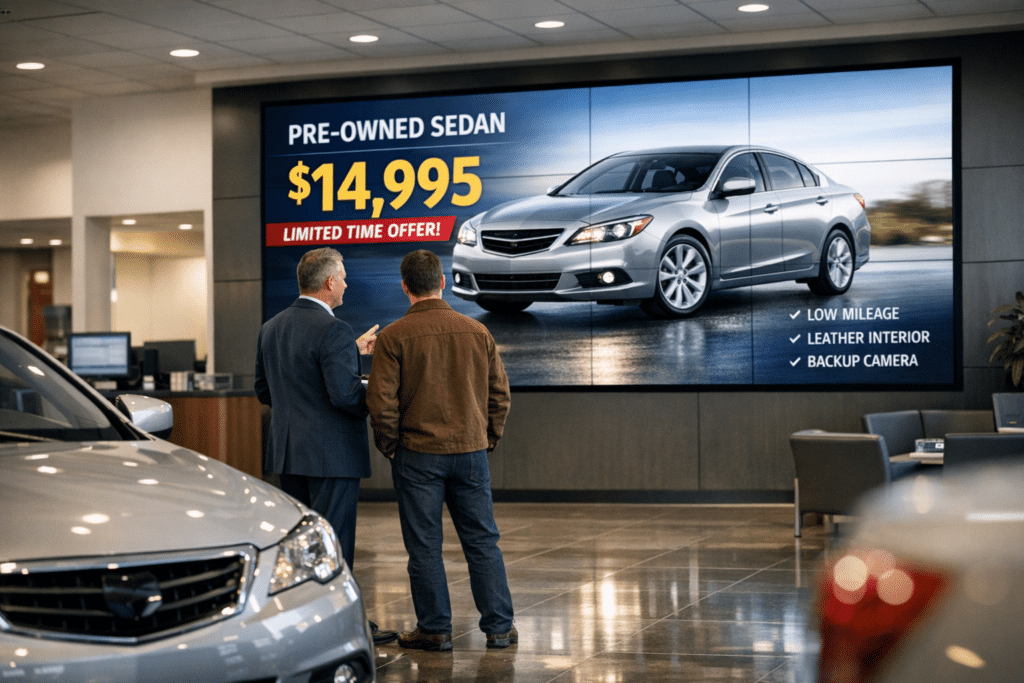
When lighting, layout, and branding work together, they turn a showroom from merely functional into a trust-building sales tool: use targeted lighting strategies—high-quality LEDs—to increase brightness, reduce eye strain, and improve customer engagement. Prioritize layout optimization: clear sightlines, uncluttered zones, and logical traffic flow so buyers can navigate comfortably and focus on vehicles. Maintain branding consistency across signage, palettes, and materials; consistent branding can boost recognition up to 80%, signaling professionalism and trustworthiness. Combine these with customer comfort measures—comfortable seating and complimentary refreshments—to enhance satisfaction and memory. The result is stronger visual appeal, measurable experience enhancement, and practical engagement tactics that support trust building. These design choices convert first impressions into longer, more productive visits.
Easy Interactive Features That Keep Visitors Longer
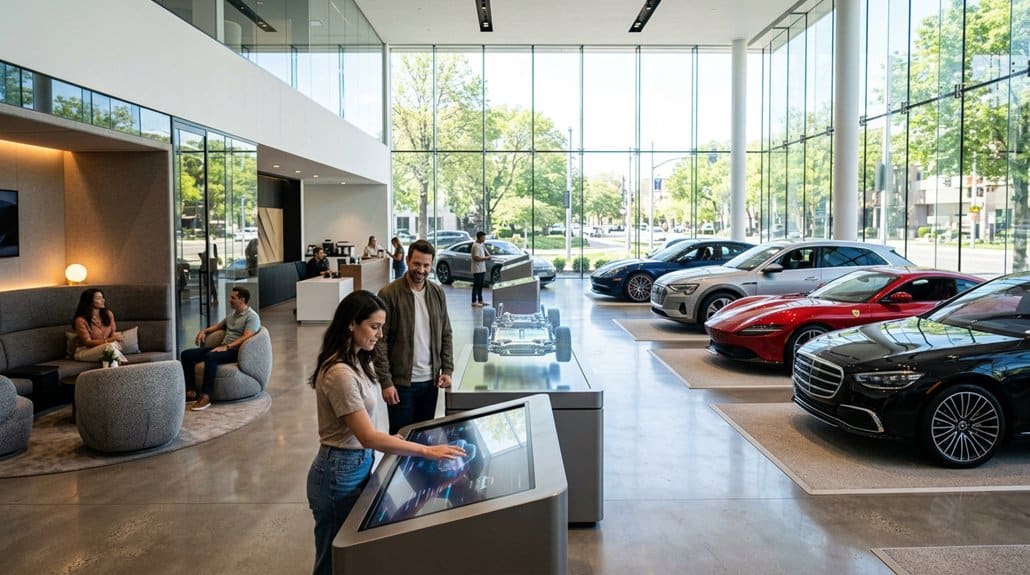
Great showroom design sets the stage—interactive features are what keep visitors there longer and convert interest into action. You want measurable engagement, so deploy touchscreen engagement stations that let prospects explore specs and options at their own pace. AR experiences increase conversion by visualizing customizations in real time. Interactive kiosks collect customer feedback efficiently, turning impressions into actionable data. Virtual test drives via simulators boost dwell time and brand recall. Lounge activities—comfortable seating, charging, and casual games—encourage longer visits without pressure.
- Touchscreen engagement for self-guided discovery
- AR experiences to visualize trims and colors
- Interactive kiosks capturing customer feedback
- Virtual test drives that simulate performance
- Lounge activities that extend visit duration and comfort
Memorable Staff, Signage, and Follow‑Up That Drive Return Visits
You’ll boost return visits by training staff to greet customers with empathy and personalized service, since memorable interactions drive loyalty. Clear, on‑brand signage improves navigation and recall—consistent visual identity can raise recognition by up to 80%. Follow up promptly with personalized thank‑yous or service reminders and use feedback to refine staff and showroom performance, tapping into the 95% of buyers who research online.
Welcoming Staff Interactions
Although first impressions are often made in seconds, a warm, genuine greeting and clear, on‑brand signage can increase showroom recall and set the stage for long-term relationships. You should prioritize genuine greetings and empathy training so staff immediately build trust and emotional connection. Data shows prompt follow-up within 24 hours boosts retention; personalized touchpoints convert visits into repeat business.
- Train every team member in empathy training and effective communication
- Standardize a genuine greetings script with room for personalization
- Use brief, data-driven follow-up templates sent within 24 hours
- Personalize thank-you messages or invitations to encourage return visits
- Track response and return rates to iterate on messaging
Do this and you’ll measurably increase customer satisfaction and long-term loyalty.
Clear, On‑Brand Signage
Signage isn’t just decoration — consistent, on‑brand signs can boost your showroom’s visibility and reinforce recognition by up to 80% when color palettes and design elements are applied uniformly. You’ll want signage placement planned to capture attention in the first few seconds: entrance, vehicle clusters, service desks and checkout lanes. Use color psychology deliberately — contrast for legibility, brand hues for instant recall, warm tones to welcome and cool tones to convey professionalism. High‑quality, branded signs improve wayfinding, reduce staff interruptions, and signal your operational standards. When signage complements memorable staff interactions, customers perceive a cohesive experience and are more likely to return. Invest in durable materials and clear messaging so your showroom’s visual system consistently promotes trust and long‑term relationships.
Prompt Post‑Visit Follow‑Up
After staff create a welcoming first impression and your signs guide customers smoothly through the showroom, prompt post-visit follow-up keeps that momentum alive: buyers who get timely thank-you notes or tailored offers are far more likely to return. You’ll convert research-driven visitors—95% use digital channels—into repeat customers by prioritizing post visit engagement and personalized communication. Use feedback and testimonials to build trust; referred customers buy four times more. Fast, concise touchpoints boost website revisit rates (76% check online before coming in) and reinforce brand recognition.
- Send a thank-you within 24 hours with a tailored offer.
- Include a short feedback request and a testimonial highlight.
- Link to relevant inventory and service updates.
- Segment contacts for targeted follow-ups.
- Track responses to optimize timing and content.
Measure Showroom Impact: Metrics and Tests to Improve Conversion
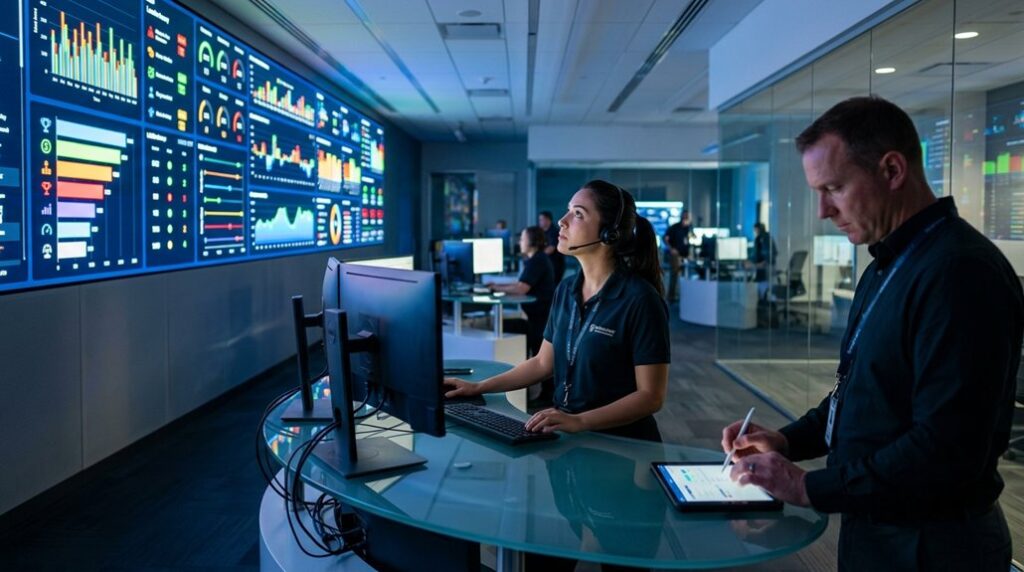
When you measure showroom impact with precise metrics—like foot traffic, dwell time, conversion rate and targeted A/B tests—you’ll turn impressions into actionable insights that boost sales. Use customer analytics to track engagement, conversion rates, and survey responses so you can drive showroom optimization. Monitor dwell time hotspots, run A/B layout tests, and evaluate visual appeal metrics (lighting, signage) to improve attention and brand recognition. Post-visit surveys close the loop, revealing perceptions of ambiance and cleanliness that correlate with purchase likelihood. Prioritize tests that move conversion rate and repeatability. Below is a compact dashboard to guide decisions.
| Metric | Test | Target |
|---|---|---|
| Foot traffic & dwell time | A/B layout | +10% dwell |
| Conversion rate & surveys | Visual tweaks | +5% sales |
Frequently Asked Questions
What Is the Red Flag Rule for Auto Dealers?
The Red Flag Rule requires you to detect and respond to identity-theft warning signs in customer financing and credit applications; you’ll implement procedures, train staff, and safeguard data—boosting customer engagement while ensuring showroom layout processes support compliance.
How Much Does a Car Salesman Make off a $20,000 Car?
You’ll pocket roughly $200–$2,000 on a $20,000 car. Satirically, that’s your glamorous raffle prize. Depending on commission structure and sales tactics, you’ll typically see $200–$500 from a 10% dealer profit, plus bonuses.
What Is the Hardest Job at a Dealership?
The hardest job’s often sales, because you’re juggling Sales Strategies, Customer Engagement, Showroom Design and Competitive Analysis simultaneously; you’ve got to be persuasive, data-driven, responsive and adaptive to buyers who research heavily and expect seamless experiences.
What Is the Biggest Mistake That First Time Car Buyers Make?
42% of buyers skip comparing loans. The biggest mistake you make as a first time buyer is falling for common misconceptions about financing; you’ll pay more unless you shop rates, total ownership costs, and negotiate firmly.
Conclusion
You’ve got one chance to make a first impression, and your showroom should convert curiosity into sales. Use lighting, layout, clear signage, and quick interactive touches to raise dwell time and trust—small changes often boost conversion rates by double digits. Train staff to engage, follow up promptly, and A/B test tweaks to measure impact. Treat your showroom like a high-performing salesperson: optimize, track, iterate, and watch repeat visits grow.