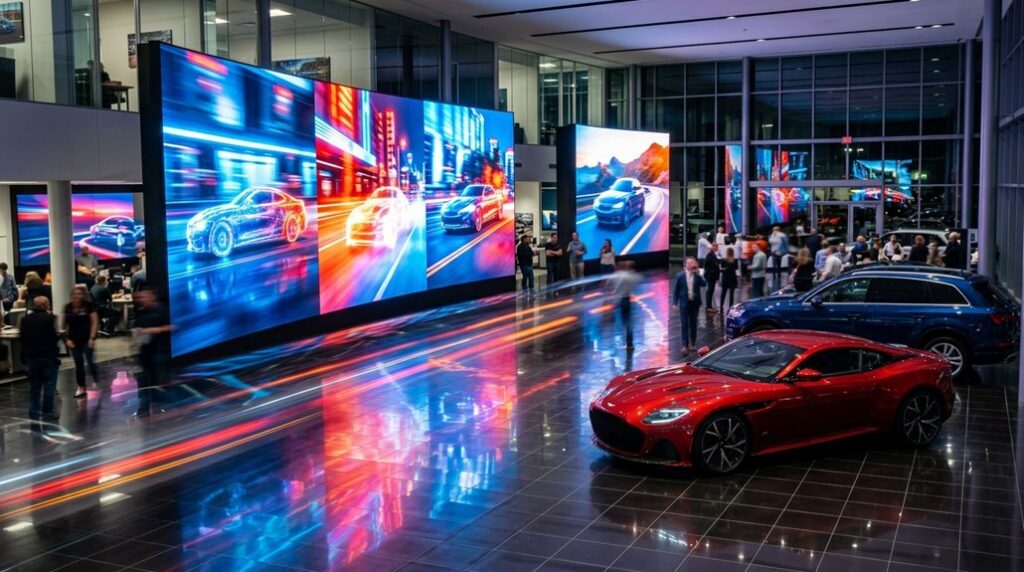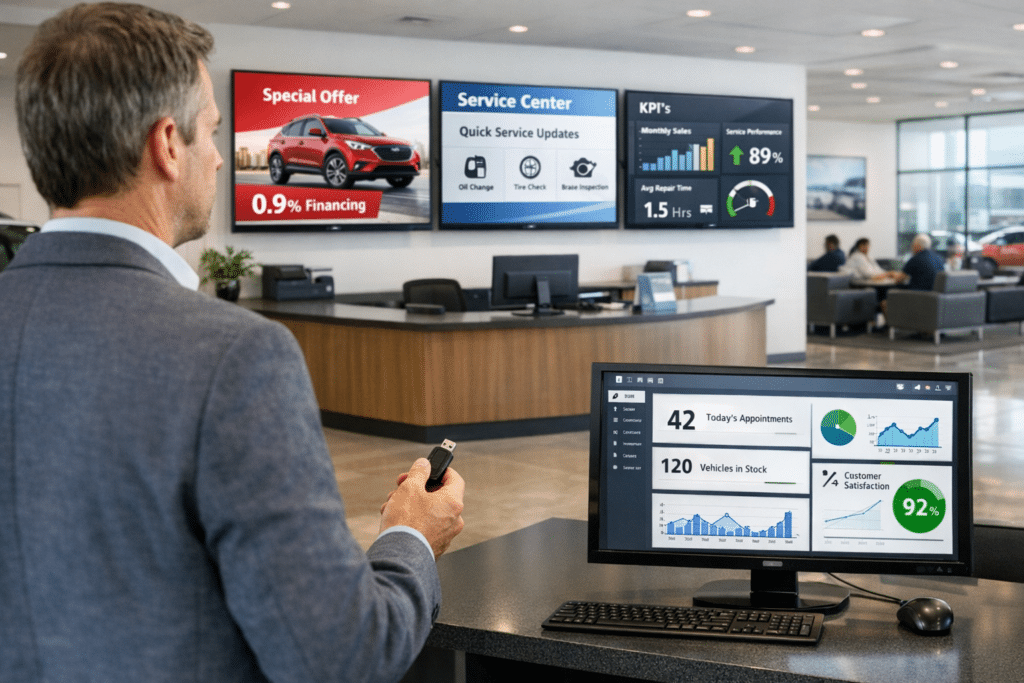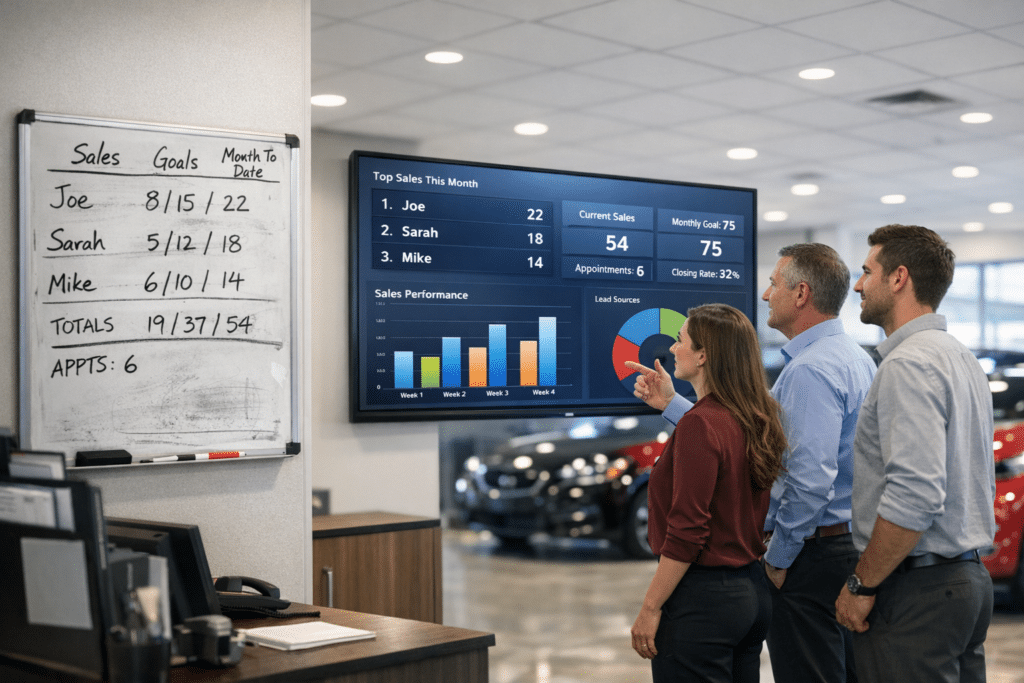
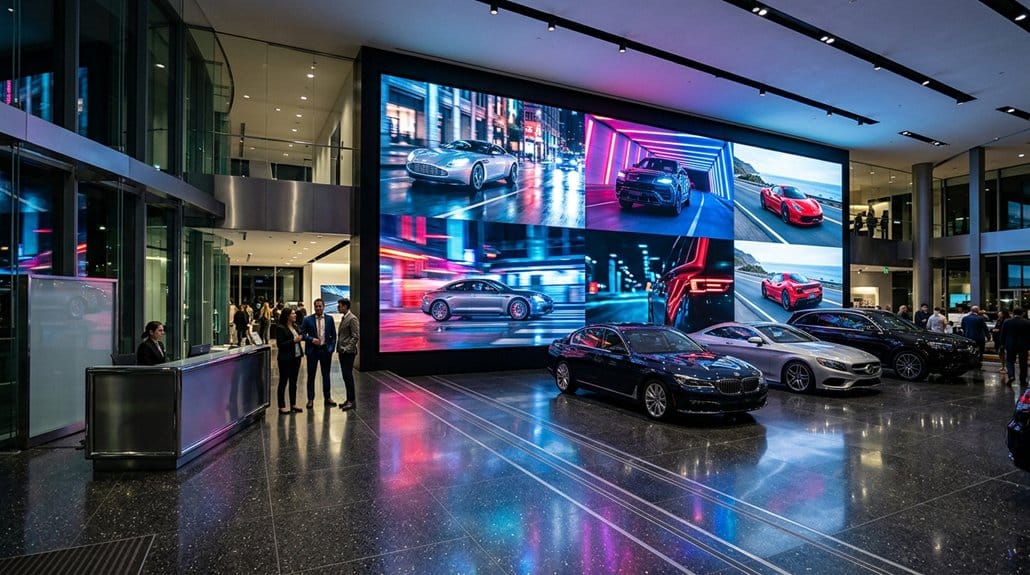
You can turn your showroom into a Vegas‑style destination with bold, high‑definition video walls that grab attention, spotlight vehicle finishes, and create immersive, curved or modular displays. They lift foot traffic and purchase consideration, enable real‑time offers and testimonials, and cut recurring print costs—often paying back in 12–24 months. Plan layout, pro installation, and fresh content to keep momentum, and track traffic and conversions to prove value. Keep going to see formats, costs, and setup tips.
Key Takeaways
- Large, high-definition video walls create immersive, cinematic visuals that spotlight vehicles like a Las Vegas stage.
- Curved and multi-screen formats deliver surround visuals that focus attention and amplify showroom drama.
- Dynamic, real-time content and promotions drive impulse interest and create a constantly changing spectacle.
- Modular designs and strategic placement integrate with traffic flow to maximize visibility and foot traffic.
- Measured increases in engagement and sales justify investment, with content updates keeping the experience fresh.
Is a Dealership Video Wall Worth the Investment?
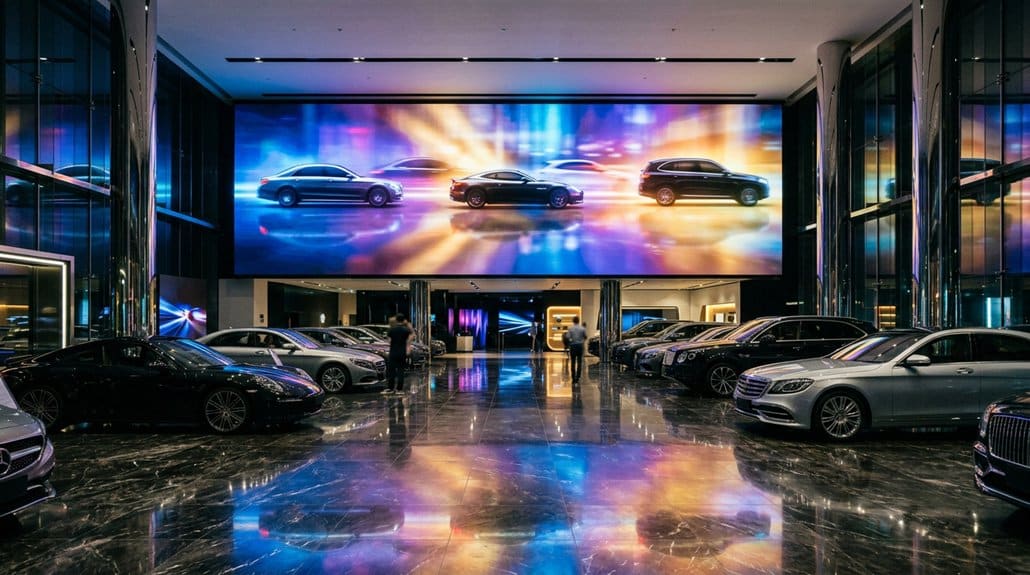
Curious whether a dealership video wall will actually move the needle for your showroom? You’ll see measurable gains: dynamic displays boost purchase consideration by up to 40%, directly improving customer engagement. A high-definition video wall draws attention from blocks away, increasing foot traffic and visibility so your inventory gets noticed before competitors’. Digital signage replaces printed materials, cutting recurring costs and letting you update promotions instantly. Showing real-time offers and customer testimonials builds trust and accelerates conversions, so the upfront spend typically pays off within a few years. If you want a strategic, high-impact tool that elevates experience, reduces promo expenses, and drives sales, a well-executed video wall is a justified investment for modern dealerships.
Best Video Wall Formats for Auto Showrooms
When you’re planning a showroom video wall, choosing the right format is as strategic as selecting inventory: curved walls immerse visitors and spotlight vehicles, modular systems adapt to space and brand, and high-definition panels guarantee every trim and texture looks premium.
| Format | Strength |
|---|---|
| Curved formats | Immersive, directs focus to cars |
| Modular designs | Flexible, fits unique floorplans |
| Multi-screen/Interactive | Diverse content, customer engagement |
You’ll pick curved formats when you want theater-like focus around flagship models. Choose modular designs to tailor installations by showroom size or campaign. High-definition panels make finishes pop; multi-screen setups and interactive touchscreens let customers self-serve specs, videos, and offers. Combine formats strategically: use curved for centerpieces, modular for peripheral displays, and interactive zones for conversion—so every visit feels cinematic and purposeful.
Costs, Budgets, and Typical Payback Timelines
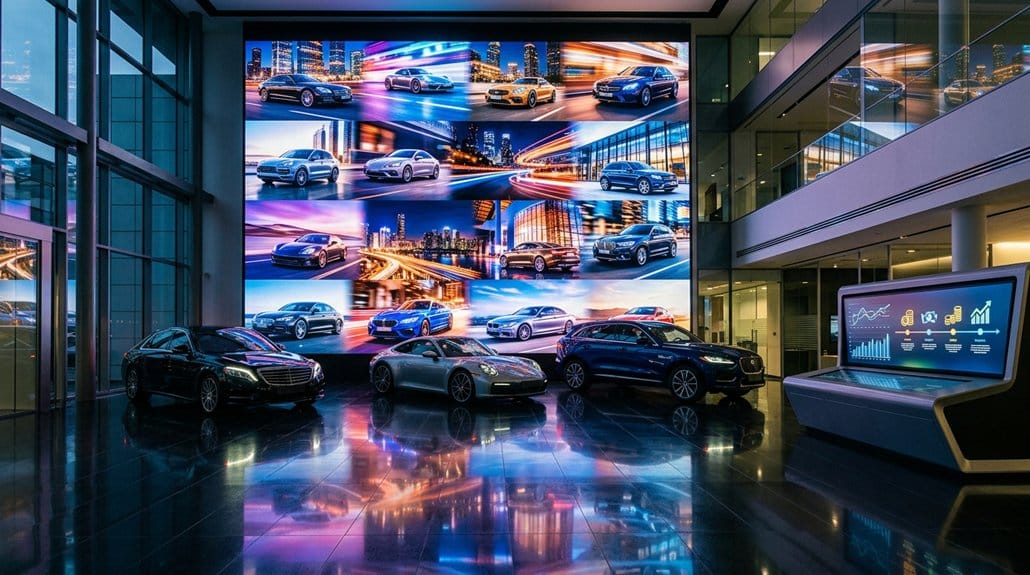
Because video walls demand a higher upfront outlay—typically $10,000 to $100,000—you’ll want a clear budget plan that balances installation, content creation, and ongoing maintenance to hit payback targets. Factor installation costs and realistic maintenance budgets into a multi-year forecast so you don’t undercut ROI. Expect monthly upkeep and content updates to add about 10–15% of the initial investment, but weigh that against printed-signage savings and a typical sales lift of 20–30%. Most dealers see payback in 12–24 months when content drives engagement and conversions. Build conservative and aggressive scenarios to justify spend, and track metrics (foot traffic, lead conversion, average deal value) to prove returns.
- Estimate total project cost (hardware + install)
- Project annual maintenance budgets
- Forecast savings from reduced printing
- Model 12–24 month ROI scenarios
Plan, Install, and Run Your Dealership Video Wall
Although a standout video wall starts with the right size and placement, successful deployment hinges on a clear plan that ties showroom goals to technical choices, content strategy, and upkeep. You should begin with video wall design that complements traffic flow, sightlines, and brand aesthetics. Hire experienced professionals to handle mounting, power, and connectivity so the system integrates with your DMS and network securely. Choose digital signage software that lets you schedule, update, and localize promotions, vehicle showcases, and testimonials in real time. Add interactive options—touch screens or mobile pairing—so customers can build and explore configurations. Finally, set a maintenance schedule and vendor support agreement to minimize downtime and keep content fresh. Plan deliberately, install professionally, run proactively.
Measure ROI and Avoid Common Video Wall Mistakes
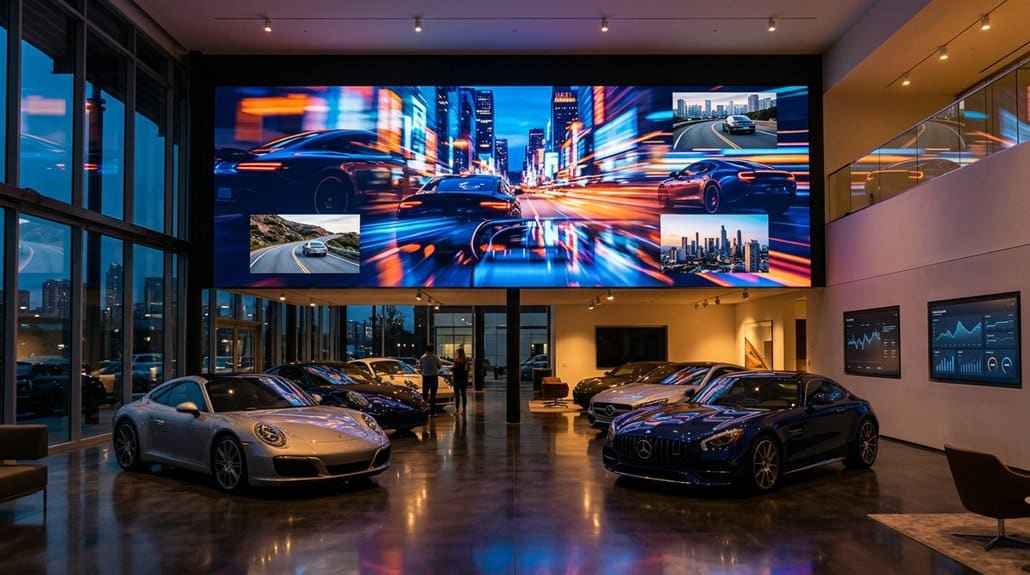
A clear ROI framework will help you prove the video wall’s value and course-correct quickly: track foot traffic, engagement metrics, and conversion rates before and after installation, compare sales during campaign windows to baseline periods, and tie customer feedback to content changes so you’re measuring impact, not impressions. You’ll focus on ROI metrics like increased walk-ins, conversion lift, and average sale value tied to specific campaigns. Avoid common mistakes: don’t overload screens, ignore feedback, or skip maintenance. Keep content relevance central, refresh creative based on engagement stats, and maintain uptime to protect customer experience. Use comparisons of campaign vs. non-campaign periods to validate spend and optimize future programs.
- Track foot traffic and conversions
- Analyze engagement and feedback
- Maintain hardware proactively
- Refresh content for relevance
Frequently Asked Questions
Is Digital Signage Profitable?
Yes — digital signage drives revenue growth by boosting customer engagement and enhancing visual appeal, so you’ll see higher conversions and lower marketing costs, making it a strategic, cost-effective investment that convincingly improves profitability.
Why Do Cars Look Better in Showrooms?
Because showrooms control lighting effects and color contrast, you’ll see lines pop, paint glow, and details sharpen; curated layouts, high-def displays, and immersive signage guide your gaze, making cars feel more premium and irresistible.
How to Design a Car Dealership?
Design your dealership with a strategic showroom layout that guides flow, highlights inventory, and uses focal points; prioritize customer engagement through interactive displays, clear signage, comfortable seating, and streamlined sales/finance zones to boost conversions and dwell time.
What Industries Use Digital Signage?
You’ll see digital signage everywhere — from retail environments and hospitality to education, healthcare, transportation, and more — because it boosts advertising impact, drives engagement, guides visitors, and strategically amplifies messaging where audiences gather.
Conclusion
A dealership video wall can transform your showroom into a Vegas-caliber experience that boosts engagement and drives sales. With 74% of shoppers saying immersive visuals influence their purchase, a well-planned installation pays off faster than you’d think. Pick the right format, budget realistically, and track visitor behavior to measure ROI. Avoid common pitfalls—poor content, bad placement, weak maintenance—and you’ll create a memorable, revenue-generating centerpiece that sets your dealership apart.