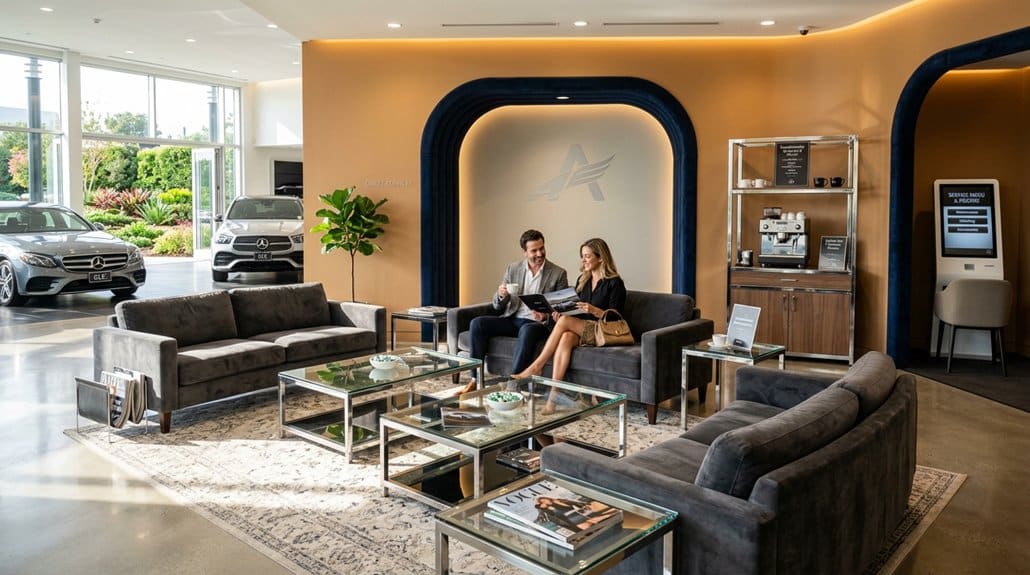
You’re sitting on a high‑margin revenue stream every time a customer waits—turn the lounge into an interactive showroom with mapped traffic flow, kiosks for inventory and financing, comfy seating, refreshments and clear promo signage to extend dwell time and boost upsells. Add digital displays, tablets for feedback, supervised kid space, reliable Wi‑Fi and trained service hosts who use CRM cues to convert. Measure lounge engagement, conversion and satisfaction, run quick A/B tests, and you’ll see immediate, scalable gains—and learn practical pilots to start.
Key Takeaways
- Treat the lounge as an interactive showroom to showcase inventory, upgrades, and financing opportunities while guiding customer sightlines.
- Increase dwell time with comfortable seating, refreshments, reliable Wi‑Fi, and charging stations to boost upsell chances.
- Deploy kiosks and tablets for self-education, inventory browsing, and quick finance approvals to convert passive visitors.
- Use digital displays and analytics to highlight real-time stock, personalized offers, and measure lounge-driven interest.
- Train service hosts for purposeful engagement, CRM-driven follow-ups, and immediate feedback capture to improve conversion.
Turn the Customer Lounge Into Revenue: Quick How‑To
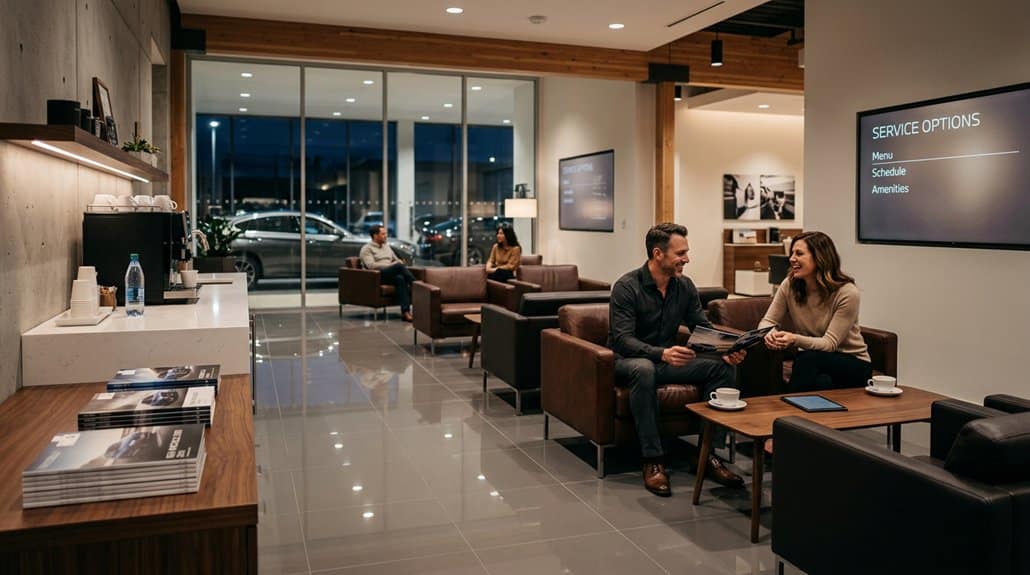
If you want to turn the customer lounge into a revenue generator, start by treating it as an interactive showroom: map traffic flow, define sightlines to digital signage, and position kiosks so customers can browse inventory and financing without staff interruption. You’ll add comfortable seating and complimentary refreshments to extend dwell time, then schedule concise events to attract prospects. Use tablets to capture customer feedback in real time, routing insights to sales and service teams for targeted follow‑ups. Track engagement metrics—kiosk clicks, session length, event attendance—to quantify uplift and refine lounge design iteratively. Operationalize staffing windows for proactive touchpoints and set KPIs tied to conversion rates. This tactical approach turns idle waiting into measurable revenue opportunities while strengthening brand loyalty.
6 Lounge Upgrades That Consistently Boost Upsells
Six strategic lounge upgrades will reliably boost upsells by turning passive waiting into targeted engagement. You should prioritize lounge aesthetics and customer comfort first: replace worn seating, add soft lighting, and maintain clean surfaces to increase dwell time and a documented 20% upsell lift. Add complimentary refreshments and clear signage for promotions so staff can reference offers during conversations. Install tablets or interactive kiosks tied to curated upgrade packages to let customers self-educate without pressure. Provide reliable Wi‑Fi and multiple charging stations to keep people engaged longer, which raises the chance of service add-ons by ~15%. Finally, incorporate a supervised children’s play area or family-friendly seating to lower churn and create more opportunities for suggested upgrades.
Use Digital Displays & Data to Sell Your Inventory
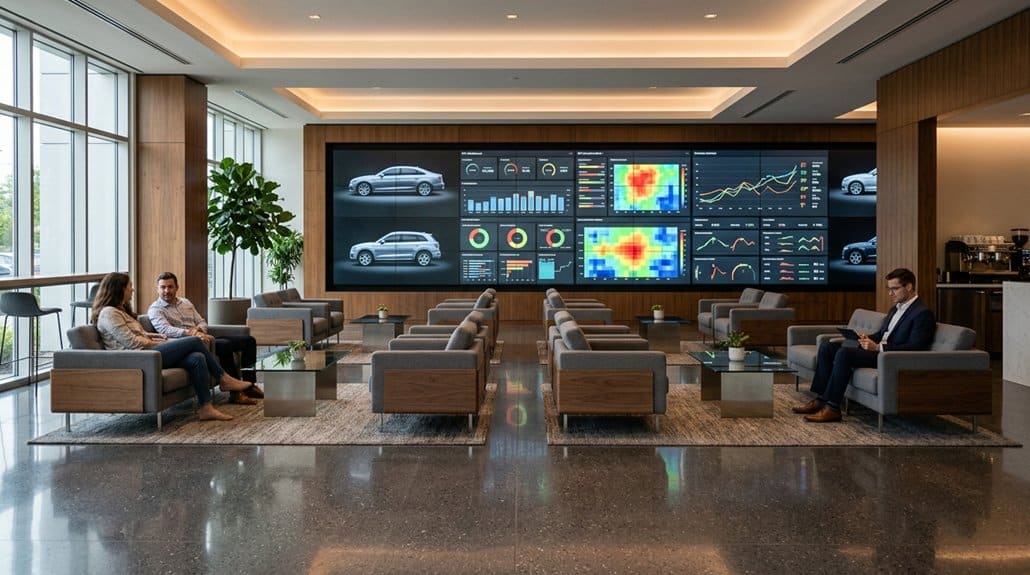
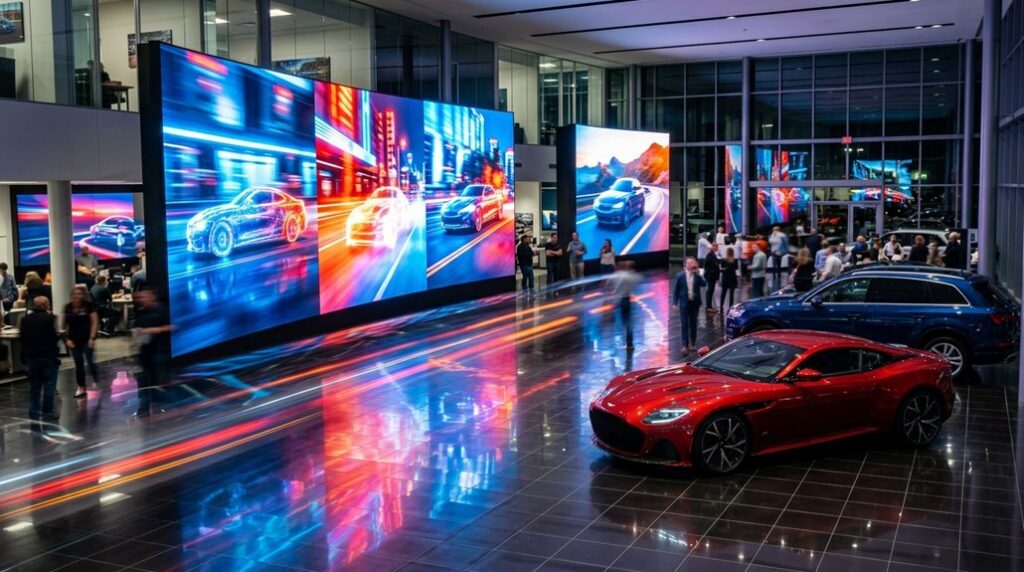
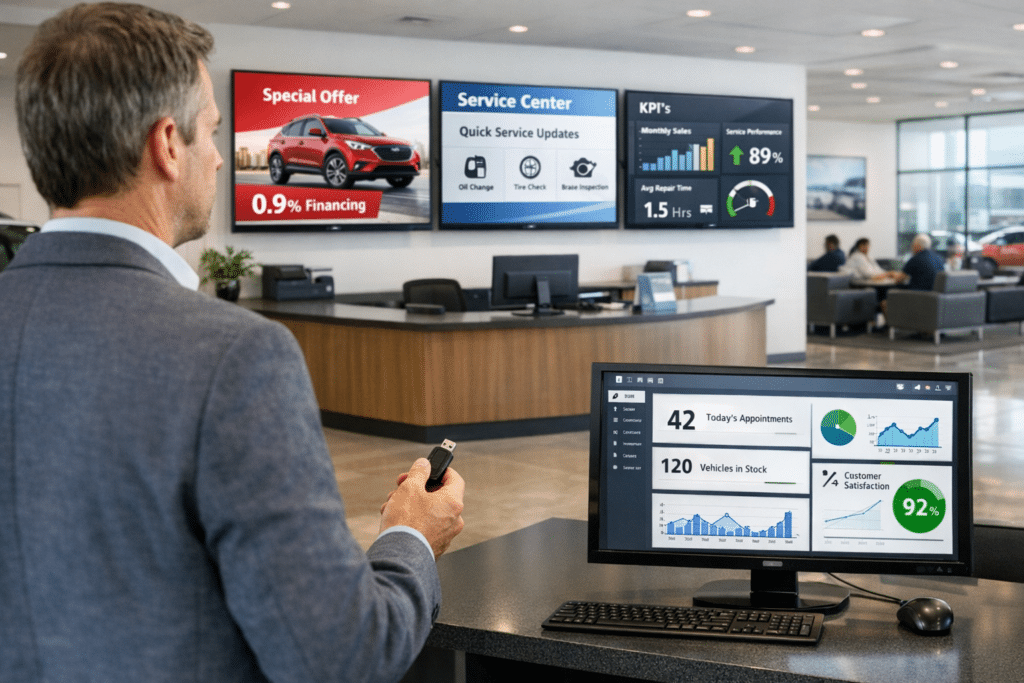
One well-placed digital display in your lounge can turn idle wait time into active inventory engagement by showing real-time vehicle availability, key features, pricing, and current promotions; when those screens are fed with customer-focused data — recent search history, demographic trends, or on-site behavior — they surface the most relevant models and finance options, shorten decision cycles, and increase upsell conversion. Use displays to boost inventory visibility by cycling current stock, highlighted trims, and short video walkarounds tied to customer segments. Integrate analytics and AI to trigger personalized recommendations and finance scenarios based on profiles, improving customer engagement and conversion metrics. Operationally, set update cadences, measure dwell-to-lead rates, and A/B test creative to continually lift sales efficiency.
Simple Amenities That Increase Dwell Time & Conversion
A thoughtfully designed customer lounge with comfortable seating, accessible charging stations, reliable Wi‑Fi, and complimentary refreshments turns passive wait time into productive engagement by increasing dwell time and creating more touchpoints for staff to influence decisions; you’ll see measurable gains when lounge atmosphere and customer engagement are prioritized. Configure seating zones, place chargers prominently, and guarantee strong Wi‑Fi to keep customers on-site longer. Use clear signage and displays to push promotions, and offer coffee/snacks to improve perceived wait. Leverage CRM-triggered prompts for personalized outreach while customers relax — that converts interest into add-on sales. Track dwell time, conversion rate, and average ticket changes to quantify ROI and iterate.
| Amenity | Operational Tip |
|---|---|
| Seating | Zone by service type |
| Charging | Visible outlets |
| Wi‑Fi/TV | High bandwidth |
| Refreshments | Replenish schedule |
Train Service Hosts to Convert Lounge Interactions
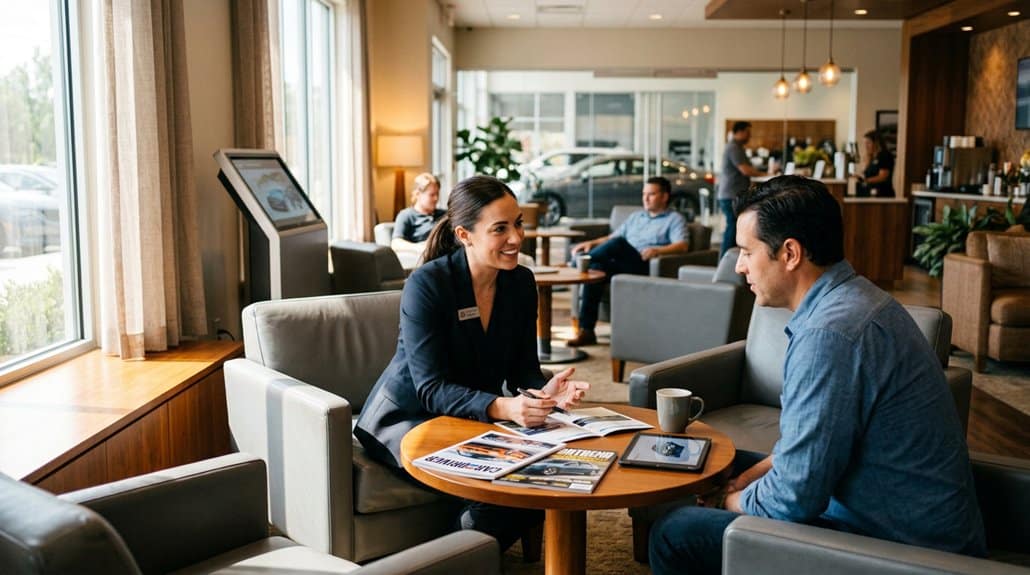
The lounge’s setup only creates opportunity if your staff know how to capitalize on it — train service hosts to move beyond hospitality into purposeful engagement that drives measurable outcomes. You’ll implement a structured program teaching product knowledge, scripted prompts, CRM use, and objection handling so hosts convert casual customer engagement into trackable leads. Require role-play with real service scenarios, scoring sheets, and weekly coaching to maintain consistency. Equip hosts with quick-access promo lists and CRM cues to personalize interactions, reinforcing relationship building and increasing repeat visits. Capture immediate feedback via short surveys and supervisor audits to iterate training. This operational approach bridges service and sales, making the lounge a controlled conversion channel that steadily improves loyalty and revenue.
Measure ROI: 3 KPIs and Quick Tests
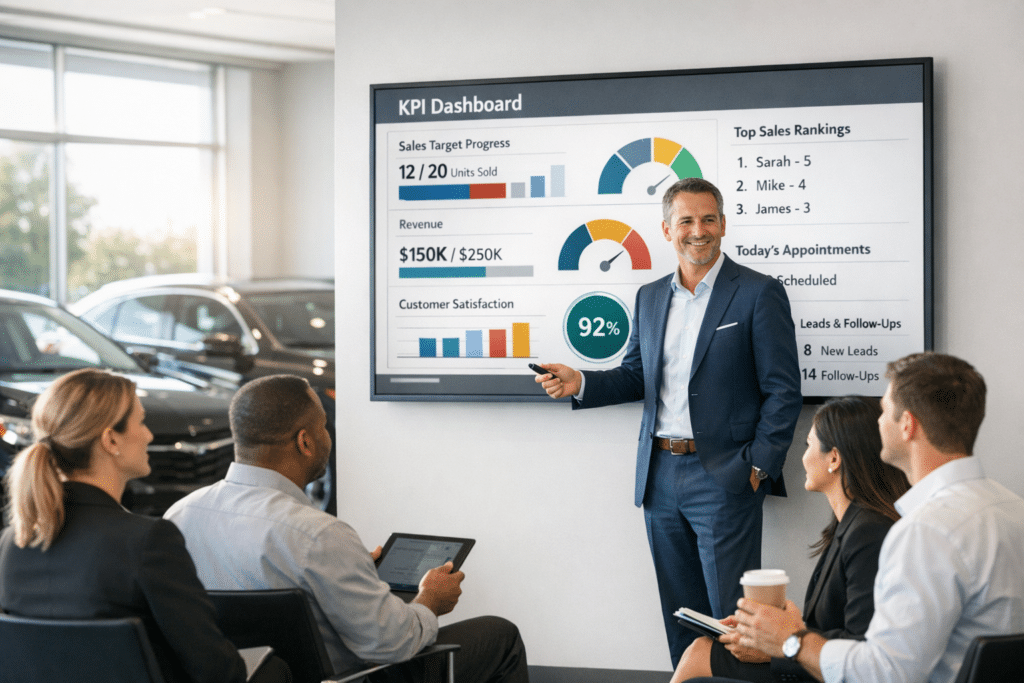
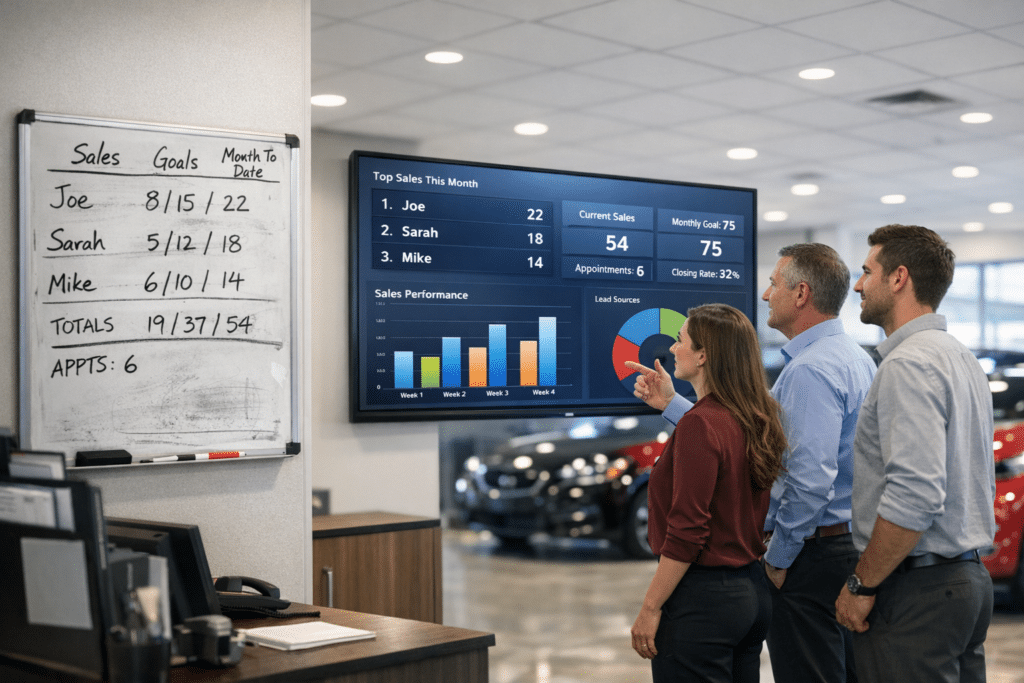
Because you need to prove the lounge delivers measurable returns, focus on three KPIs that tie directly to revenue: lounge engagement (foot traffic and dwell time), conversion rate of lounge users to sales or service upsells, and customer satisfaction/advocacy (lounge-specific NPS and referral counts). Track foot traffic and average stay with simple sensors or check-ins; longer dwell time should correlate with more upsell opportunities. Measure conversion by tagging customers who used lounge amenities and tracking subsequent purchases or service add-ons. Use targeted surveys and a lounge-specific NPS to quantify satisfaction, then link score changes to revenue. Add referral tracking and monitor service appointment follow-up rates. Run short A/B tests on amenities and processes, and use lounge analytics and customer insights to iterate quickly.
Low‑Cost Lounge Pilots to Unlock Immediate Revenue
You can pilot low-cost lounge stations that pair a test-drive upsell kiosk with quick-service add-on trials to convert waiting customers into immediate revenue. Set clear operational protocols—pricing, staff prompts, tablet inventory displays, and sample service menus—so you can track conversions and average order value from day one. Run the pilot for a defined period, capture sales and satisfaction data, and iterate on layout and offers to maximize short-term lift.
Test Drive Upsell Stations
One clear way to access immediate revenue is to convert your customer lounge into a test-drive upsell station by piloting low-cost, high-impact setups that prompt purchases while guests wait. You’ll harness customer engagement by placing interactive displays, targeted promo racks, and clear signage that explain add-ons during the wait for a test drive. Design pilots to cost little but measure lift: expect 20–30% higher conversion when offers are timely and visible. Use CRM-derived profiles to push tailored upsell strategies at check-in, then track redemption and satisfaction metrics. Operationalize with a simple playbook—placement map, script for staff, POS routing—and run short A/B pilots to scale the most profitable configurations quickly.
Quick-Service Add‑On Trials
Shifting from test-drive upsell stations, quick-service add-on trials use the same lounge real estate to pilot low-cost, high-frequency offers that you can measure and scale fast. You’ll deploy modular kiosks or countertop menus offering curated add-ons—express detailing, TPMS checks, loaner Wi-Fi subscriptions—priced to convert during wait times. Run time-boxed pilots, track take rates, and link sales to NPS and repeat-visit metrics to quantify lift. Use short surveys and POS tagging to capture customer preferences and segment responses by visit type. Iterate offerings weekly, dropping low-performers and scaling winners with staff scripts and floor stickers. This operational approach minimizes risk, improves service personalization, increases immediate ancillary revenue, and builds a roadmap for broader rollouts.
Frequently Asked Questions
How Much Does a Car Salesman Make off a $20,000 Car?
You’d typically earn about $1,000–$1,500 on a $20,000 car under common commission structure (20–30% of dealer profit), plus sales incentives and add-on bonuses that can raise your payout if you hit targets.
What Is the Most Profitable Department in a Car Dealership?
The service department is usually most profitable; you’ll leverage service department profitability through parts, labor, repeat customers and upsells, while also optimizing finance department margins via F&I products, training, and operational controls to maximize dealership profit.
What Is a Red Flag in a Car Dealership Used For?
Birds of a feather flock together: you use a red flag to pinpoint Customer Experience issues quickly, flagging concerns tied to Lounge Amenities or processes so you can operationally address objections, improve satisfaction, and boost conversion rates.
How to Attract Customers to a Car Dealership?
You’ll attract customers by improving customer experience: promote lounge amenities, streamline signage and staffing, run targeted events and service specials, leverage interactive tech and surveys, and measure conversions to optimize operations for higher foot traffic and sales.
Conclusion
You’re standing at the lounge’s doorway: a small switch that can flip idle minutes into margin. Treat every coffee cup, display screen and friendly greeting like gears in a precision machine—each tuned to nudge choices, extend stays and surface inventory. Run tight pilots, measure conversion, and train hosts to turn conversation into upsell. When you polish these parts, the waiting room becomes a revenue engine, quiet but relentless, humming profit into your dealership’s day.